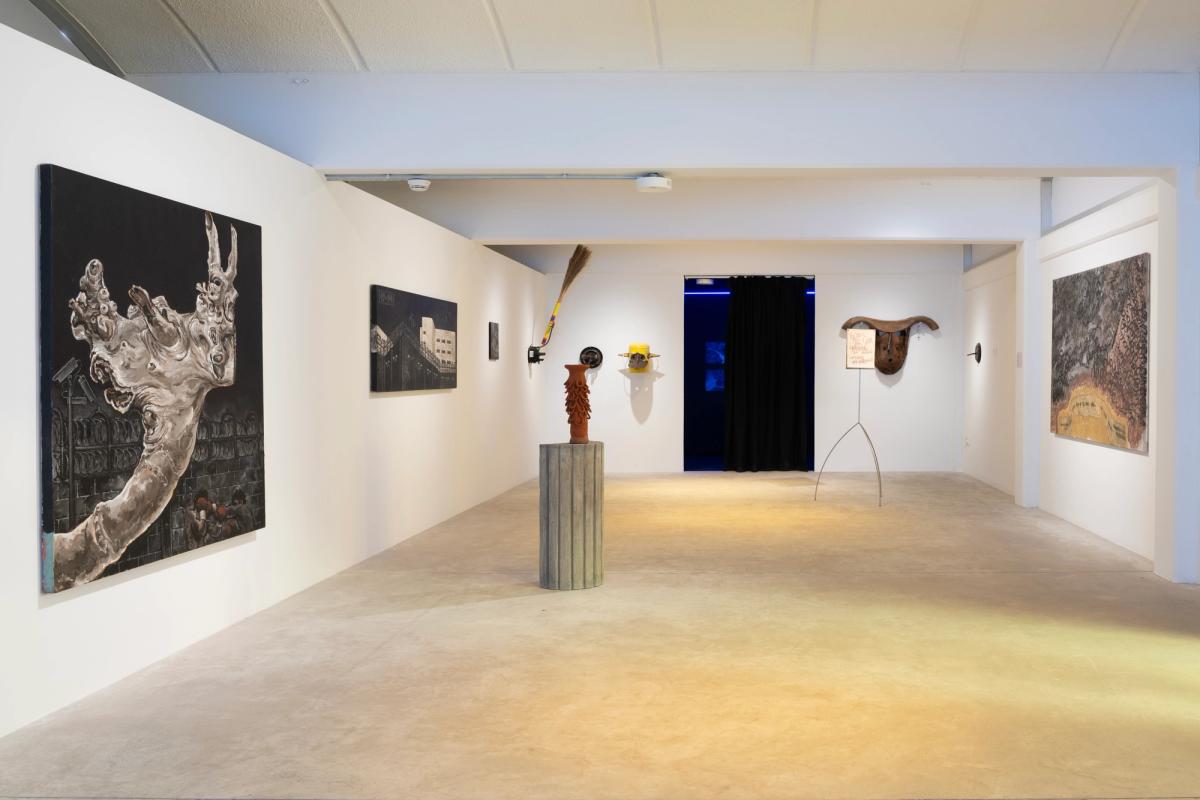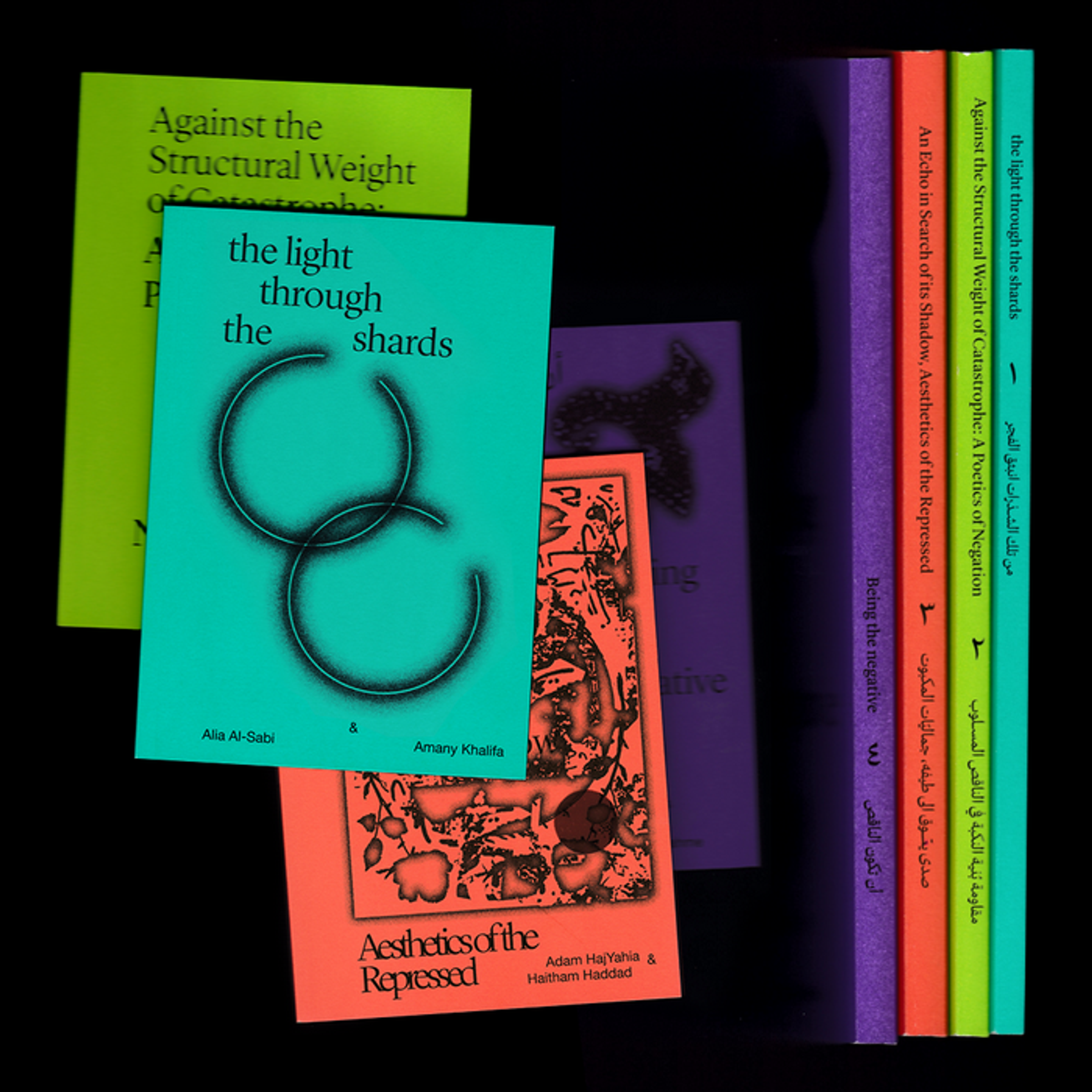
To all those we are indebted to إلى كلِّ الذين نحن مَدينون لهم
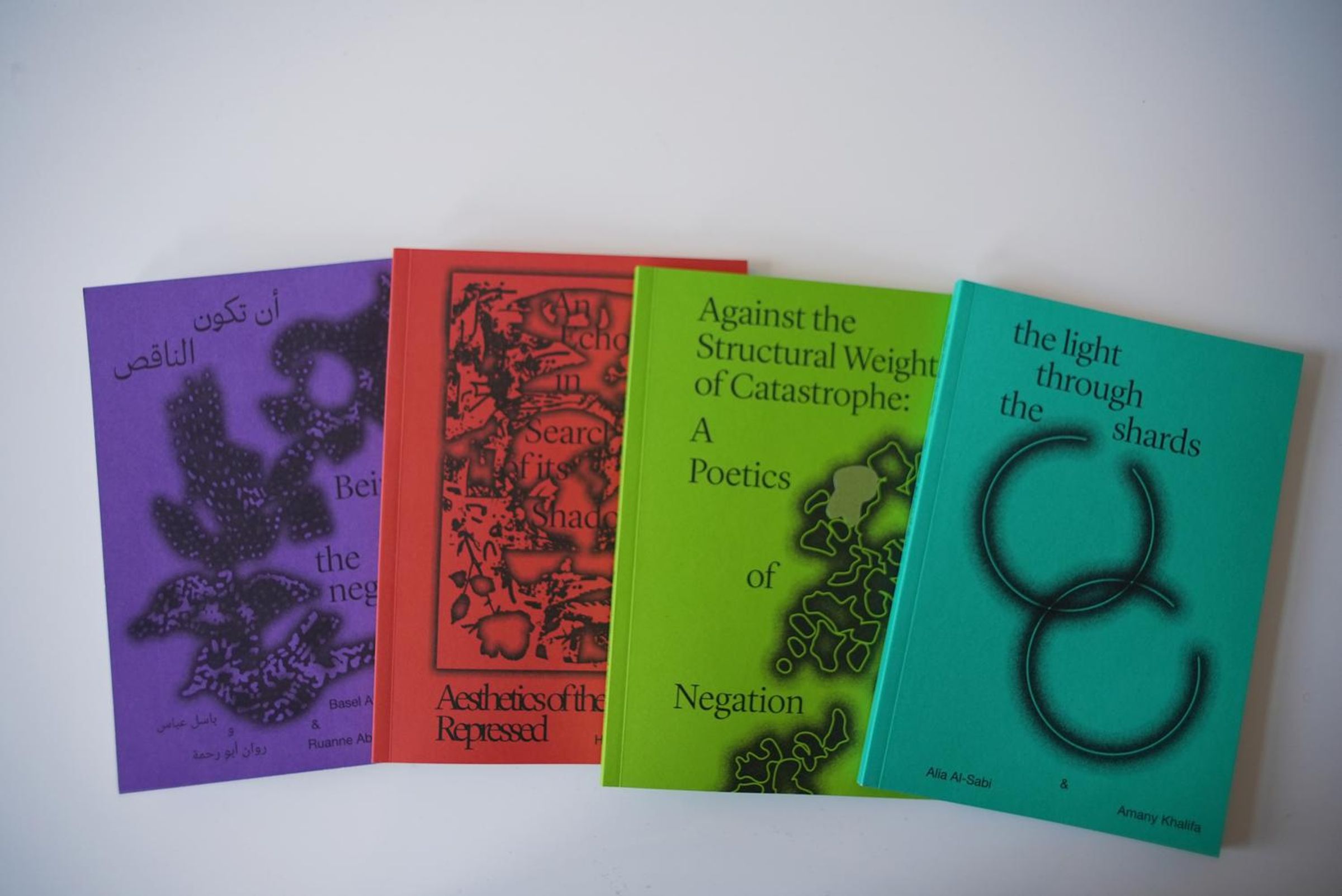
“To all those we are indebted to” brings together poetry, critical writing, image-making, drawing, and song in a multidisciplinary series that examines the politics of refusal in Palestine. Composed of four contributions assembled through paired collaboration, the contributors explore and develop novel ways of producing knowledge.
Alia Al-Sabi and Amany Khalifa take apart Palestinian ‘return’ through a conversation that unfolds across literary, temporal, and spacial registers. Amr Amer and Laura al-Tibi weave together song and critical analysis, unsettling colonial conceptions of Palestinians’ relation to their land economically and existentially. Basel Abbas and Ruanne Abou-Rahme offer a comprehensive hypothesis of the “negative,” unfolding across poetry, images, and illustration. Adam HajYahia and Haitham Haddad formulate an aesthetic theory of revolt, examined through text, images, and illustration. By focusing on the interplay between text and artistic form, “To all those we are indebted to” proposes new methods of thinking and creating, aesthetically and politically.
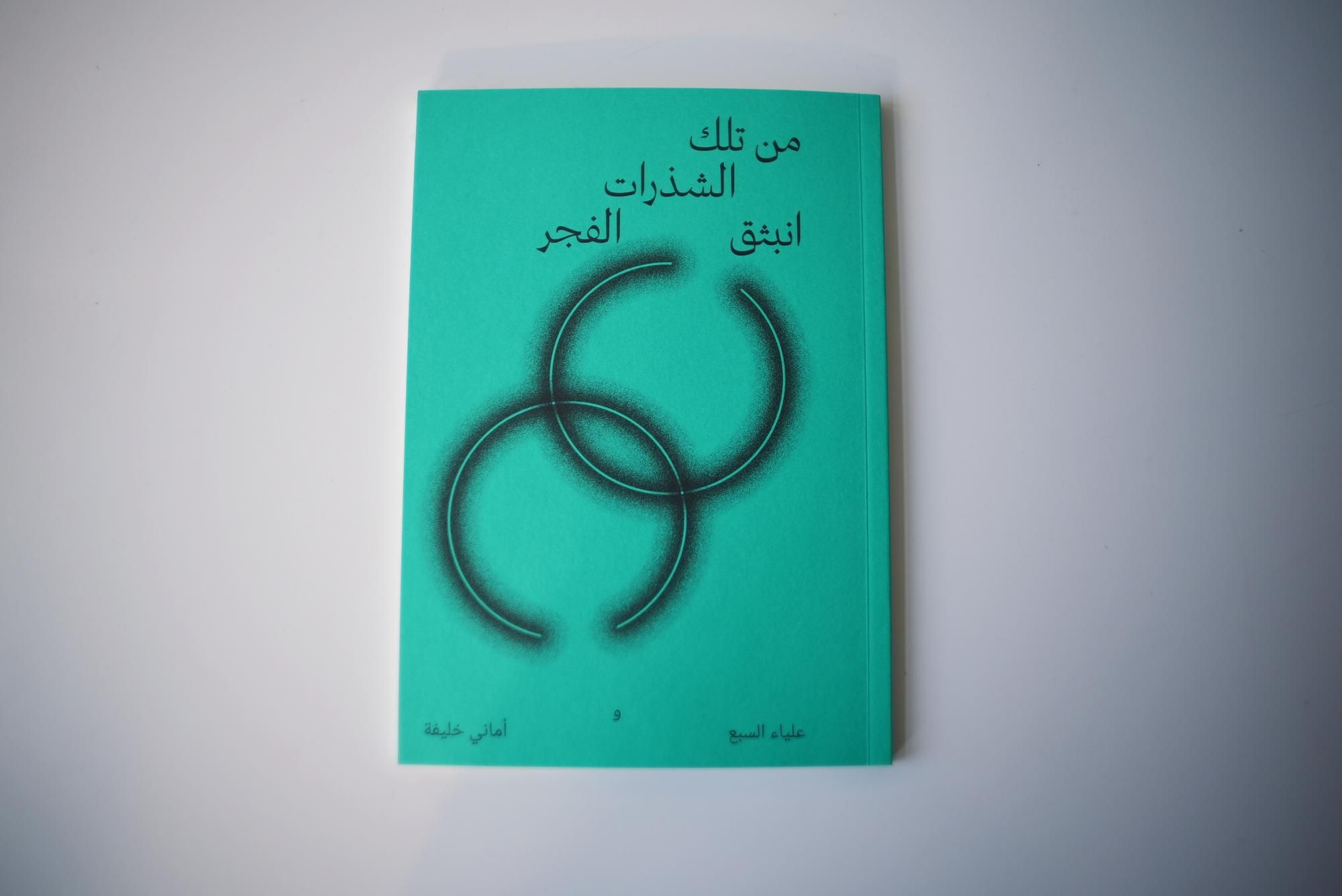
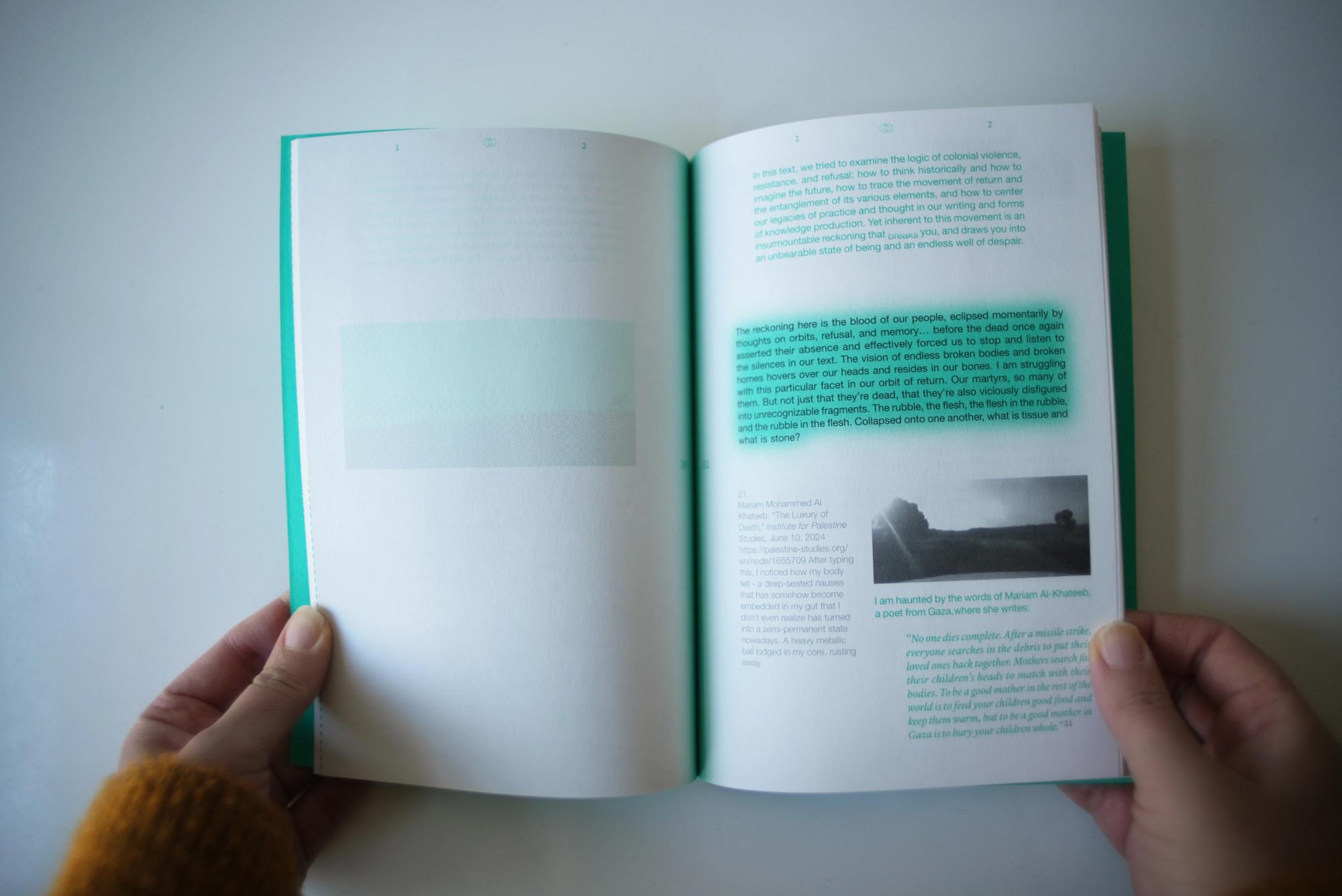
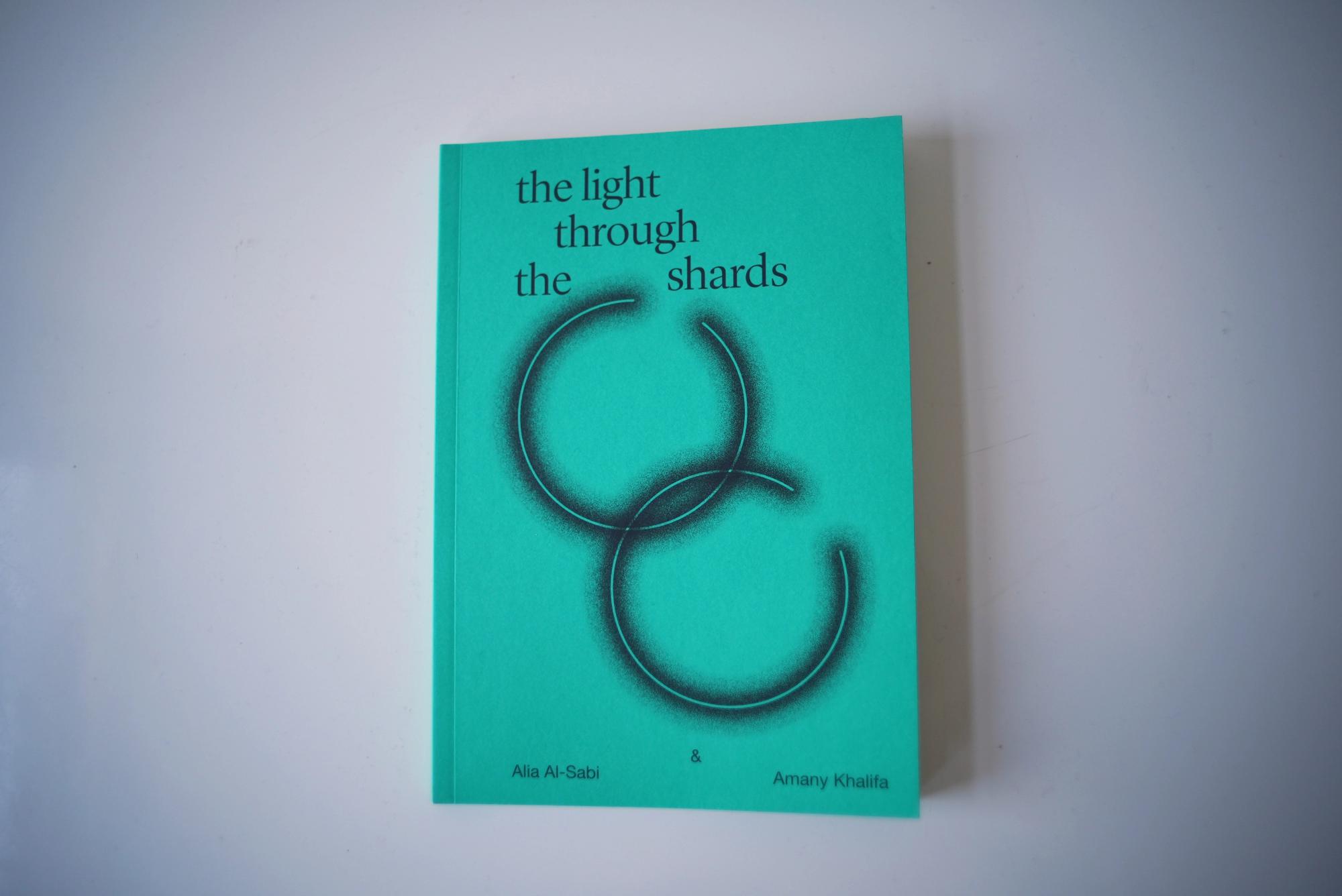
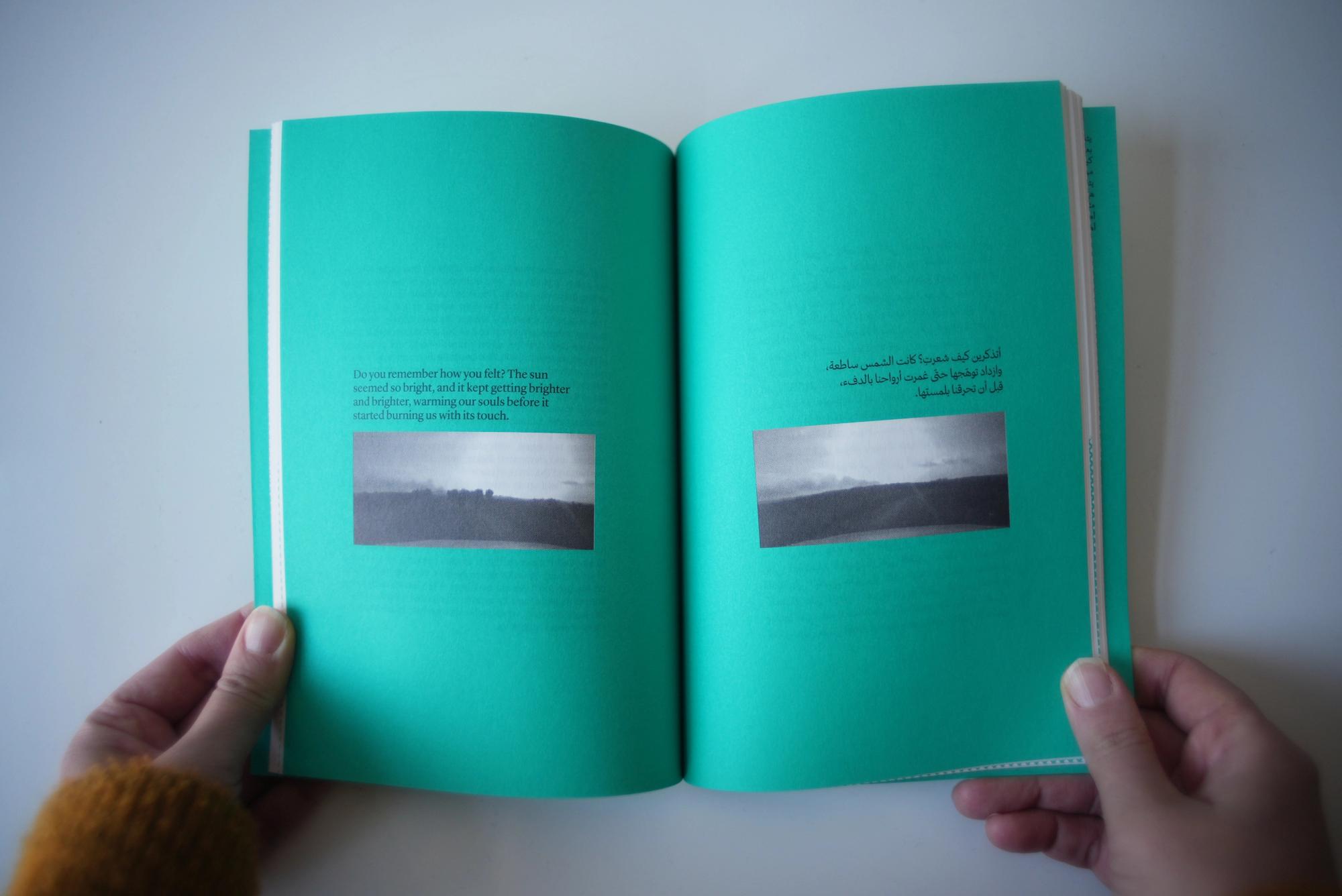
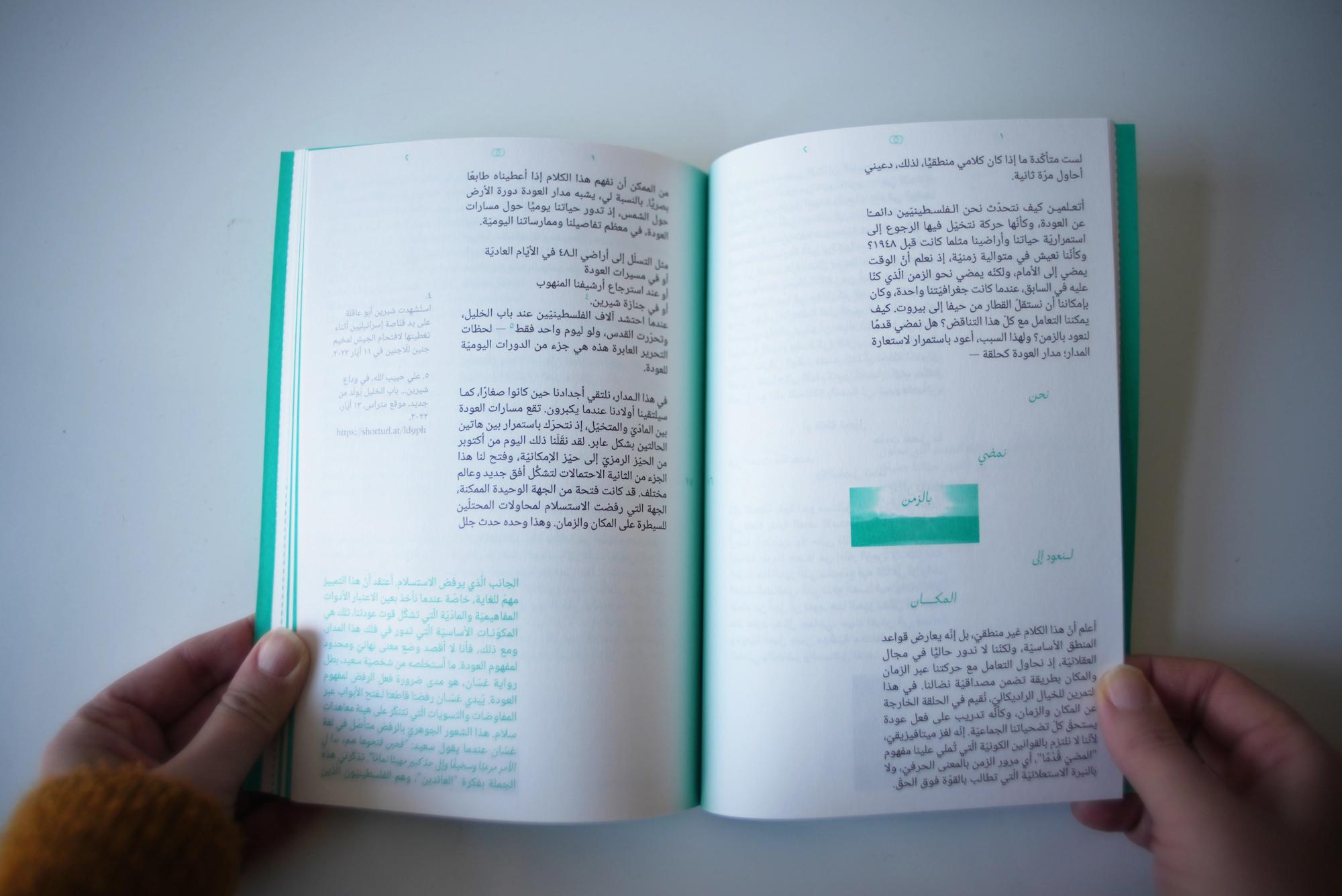
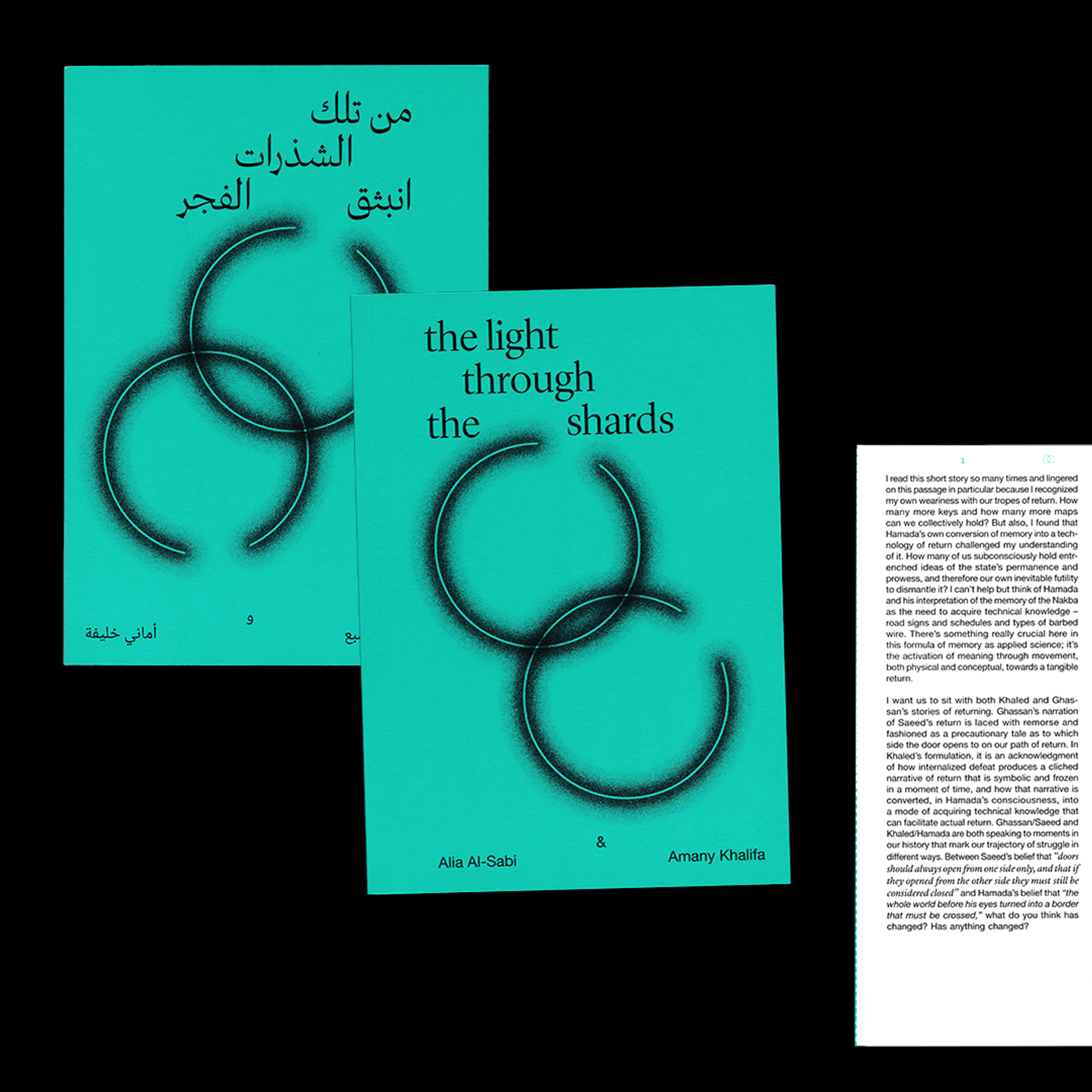
The Light through the Shards
This text is a conversation replete with broken edges and fragmentations, jagged in its attempt to grapple with insurmountable grief and loss. In it is a summoning of our legacies of struggle, as we search for guiding certainties such as that of the sun. Embodied in this rehearsal is a sensorial envisioning of an orbit of return, entangled with refusal, memory, and grief, and ruptured by the inconceivable violence of annihilation of our people in Gaza.
Alia Al-Sabi
Alia Al-Sabi is a writer and researcher based in Brooklyn, New York. She is currently a PhD Candidate in the Performance Studies department at NYU, where she is researching prison literatures in various archives in Palestine. Her research focus considers theories of movement and subversion within logics of surveillance and confinement by examining the textual practices produced within carceral structures.
Amany Khalifa
Amany Khalifa is a doctoral student in the Department of Anthropology at Columbia University. Amany is interested in studying social movements as sites of Refusal in Occupied Palestine. Her research explores how political collectivity reconfigures the present and aspires to reshape the future.
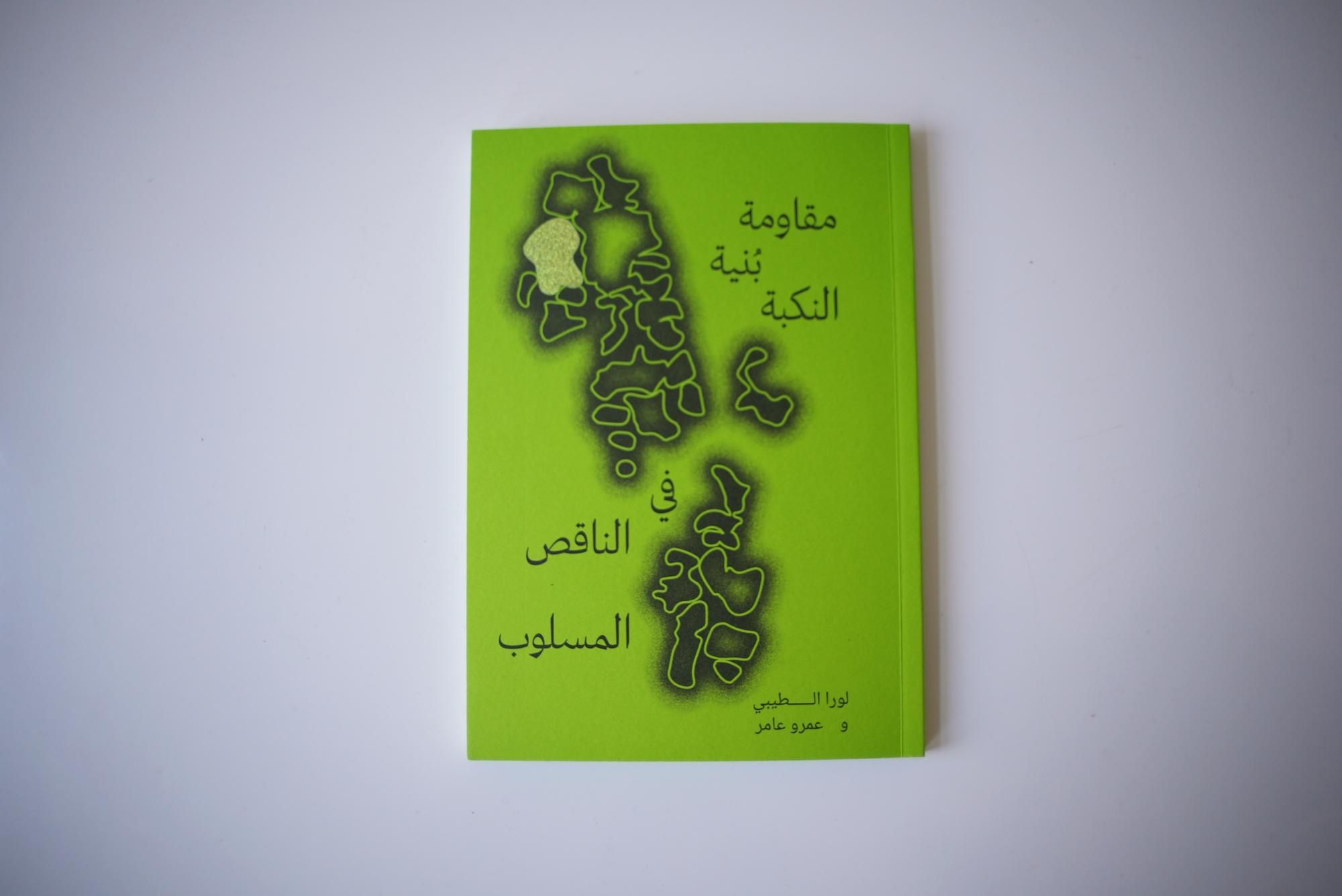
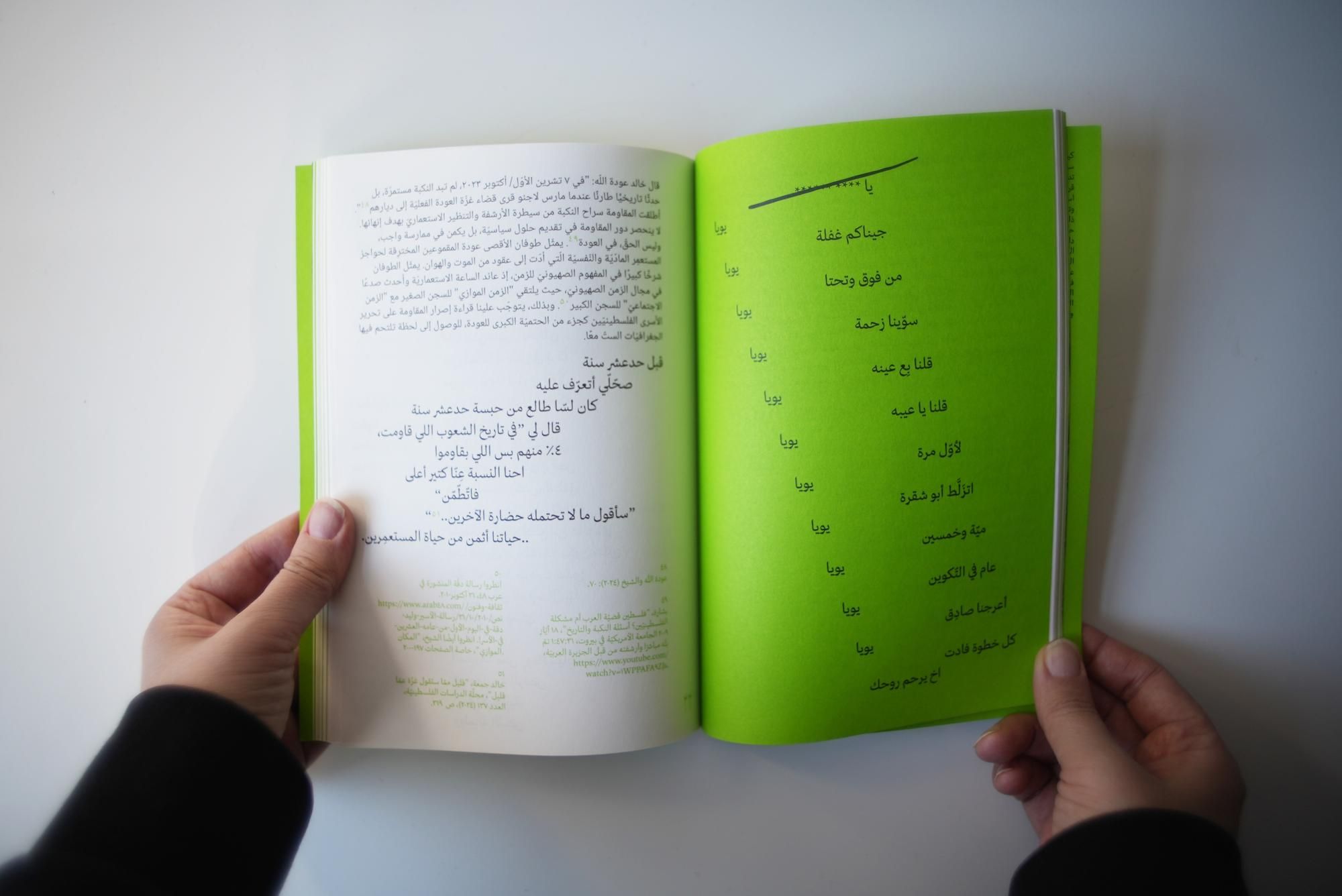
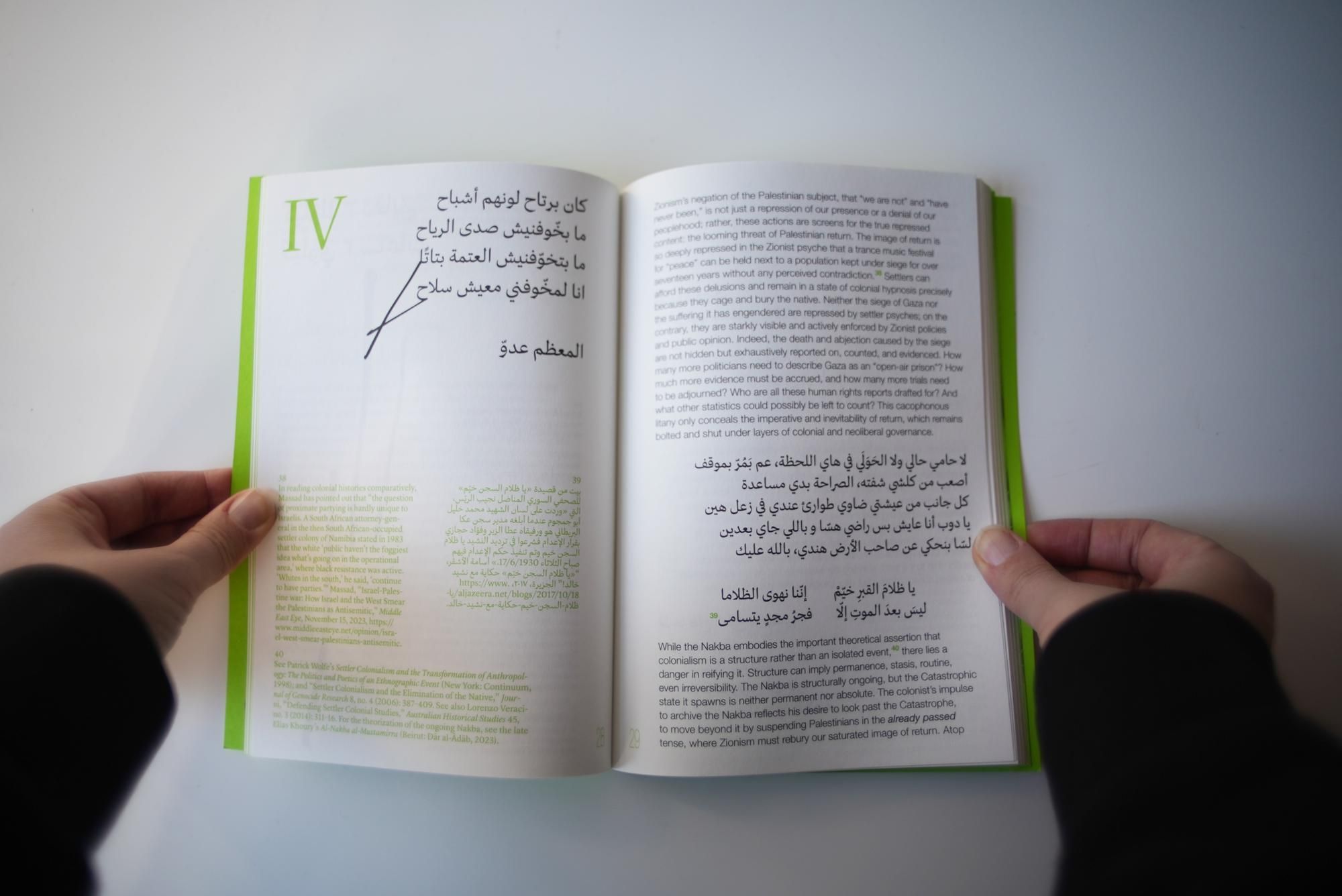
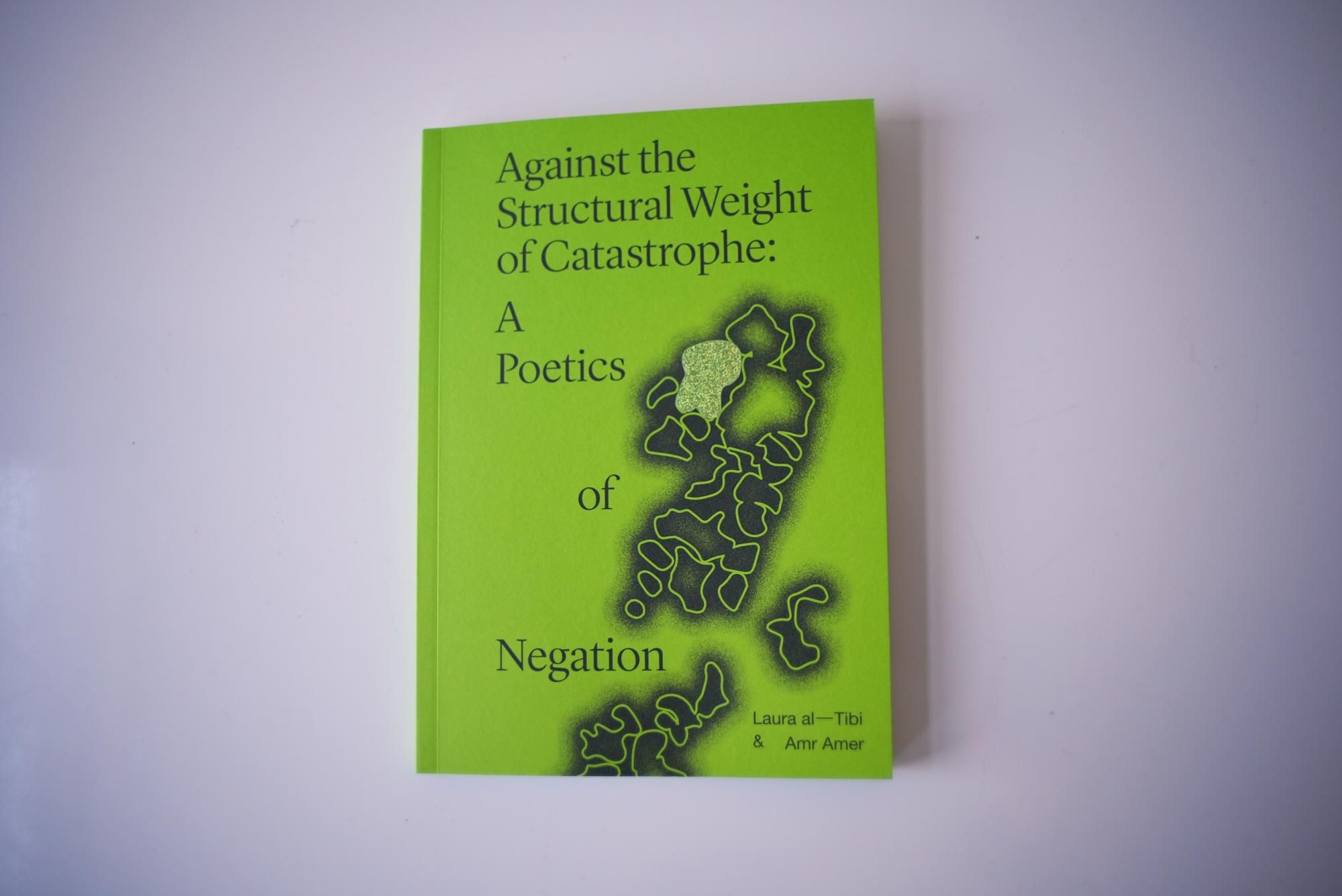
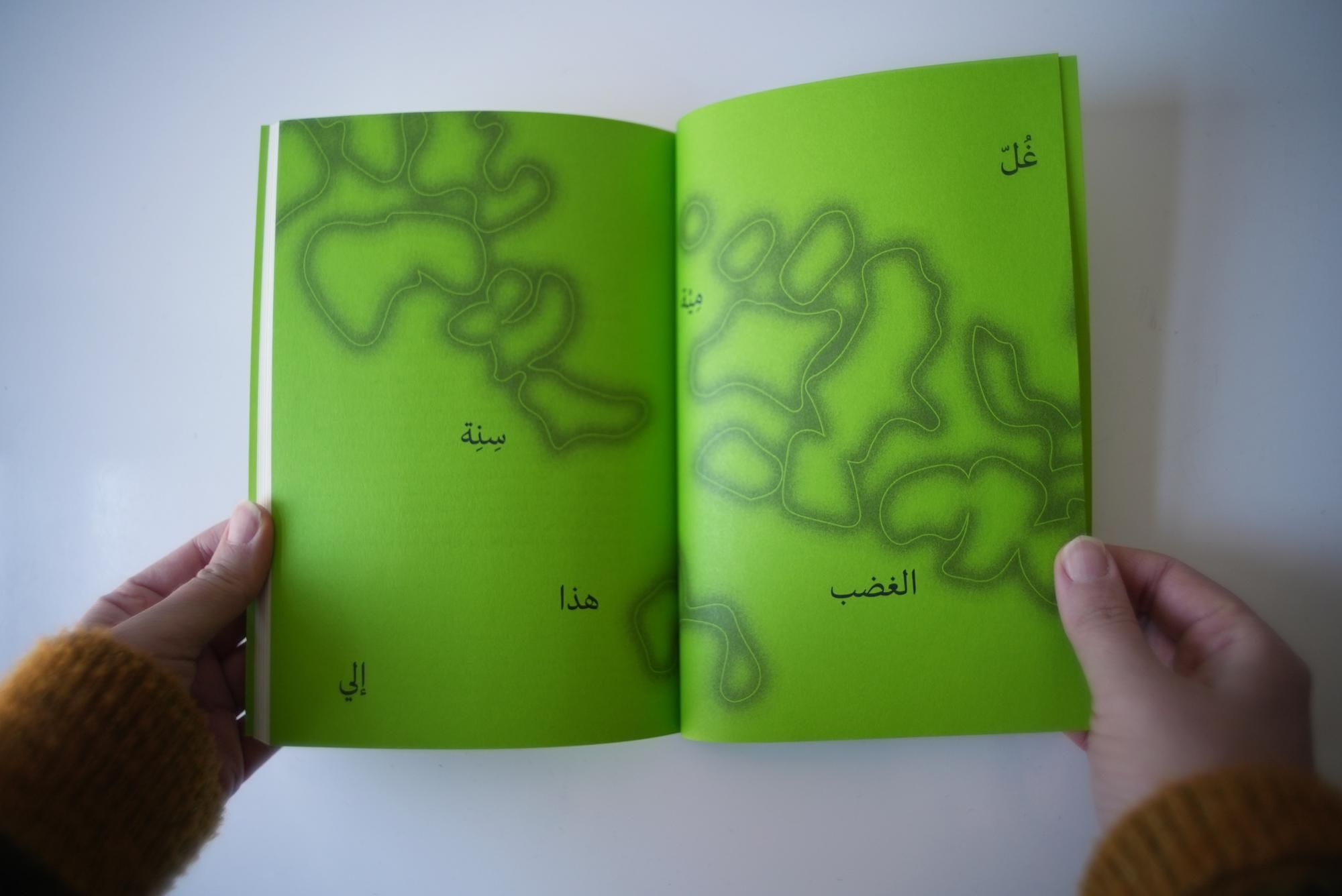
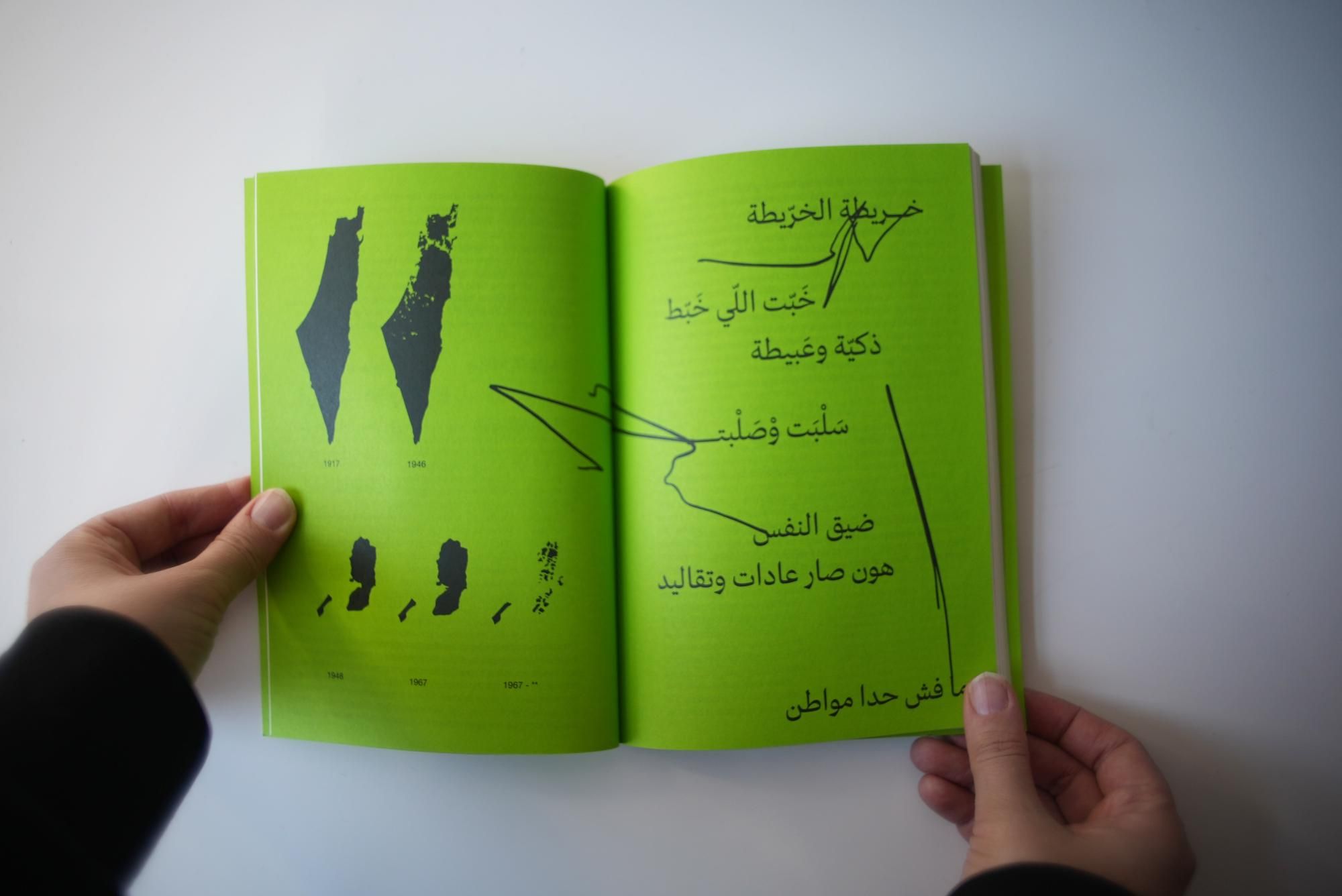
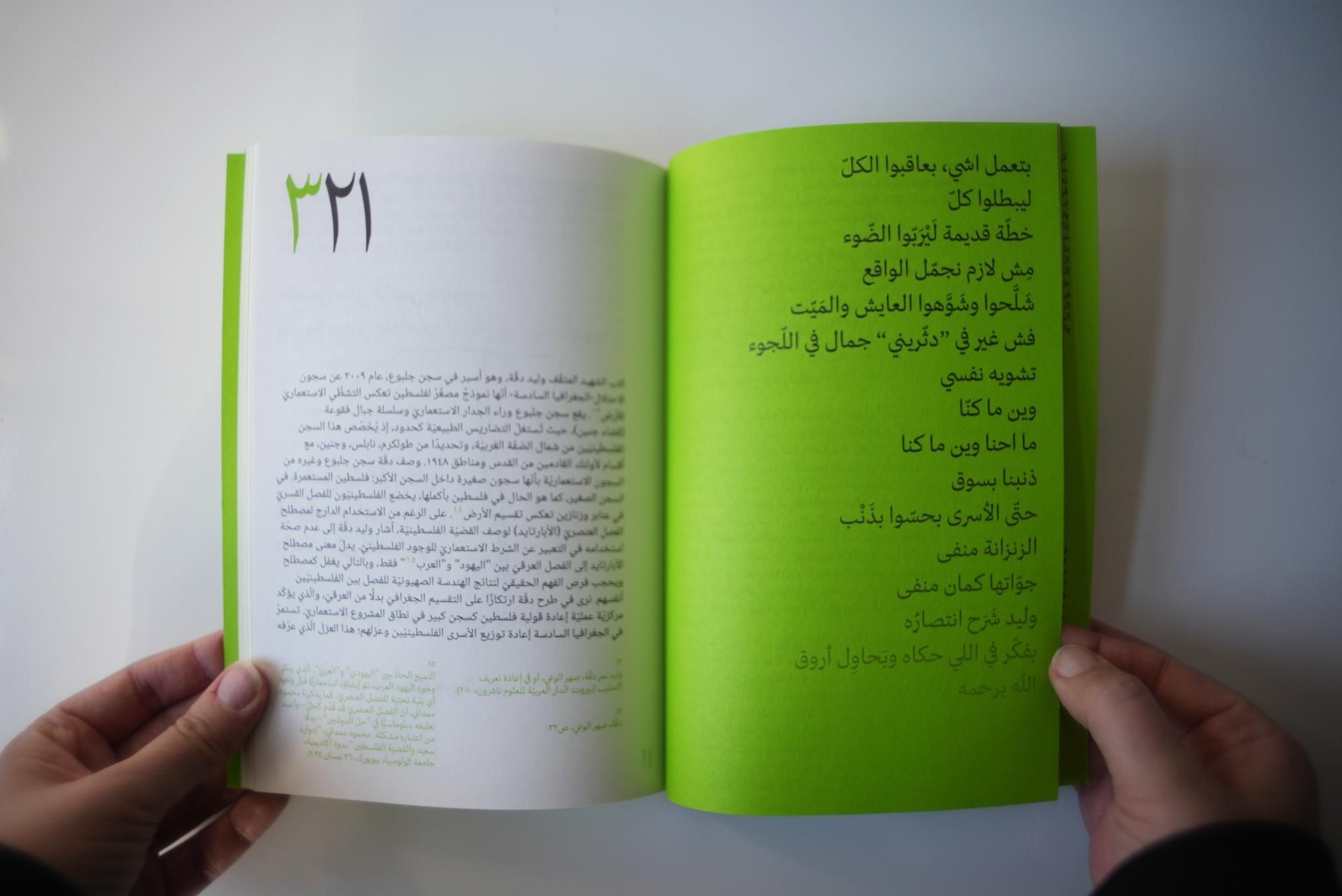
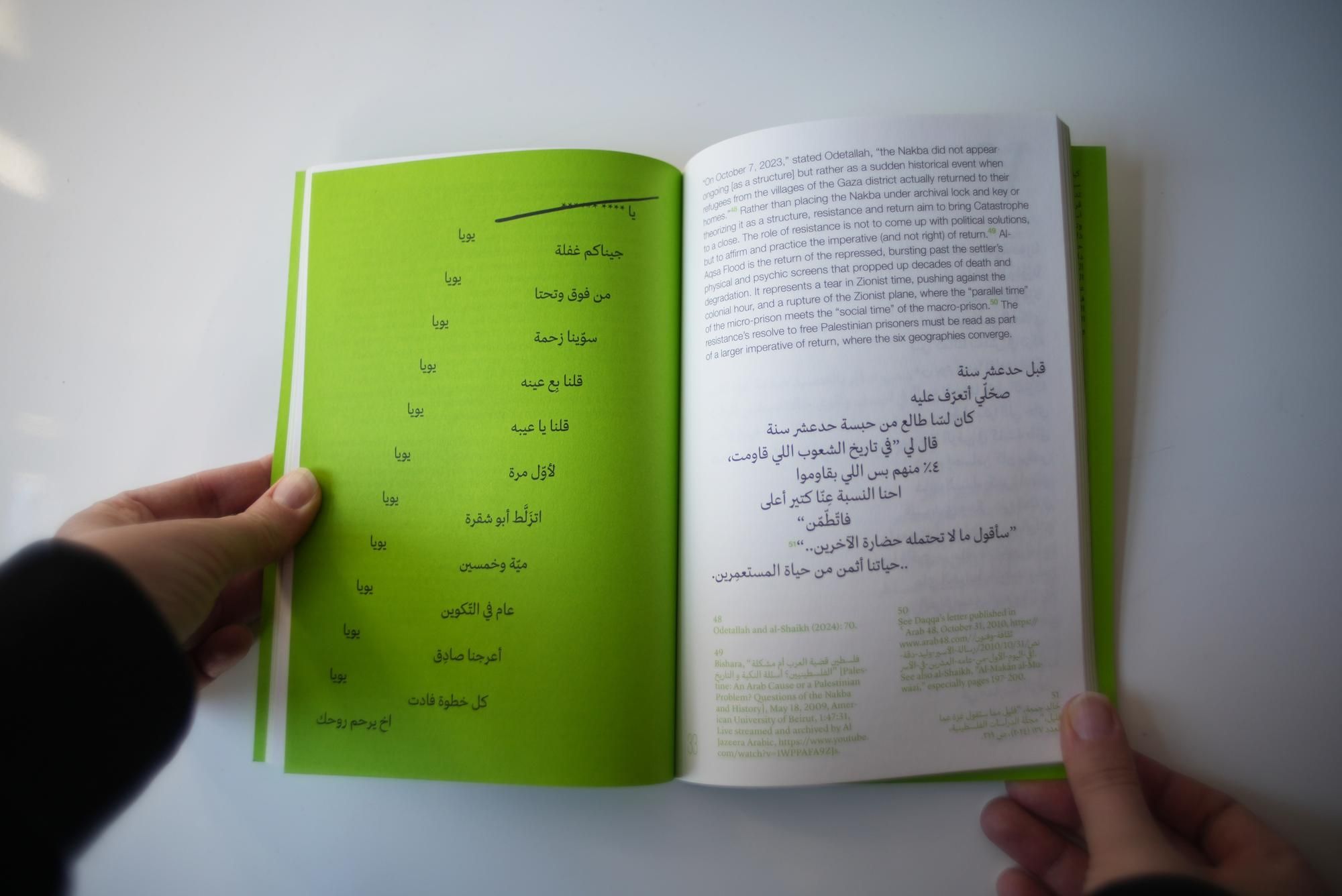
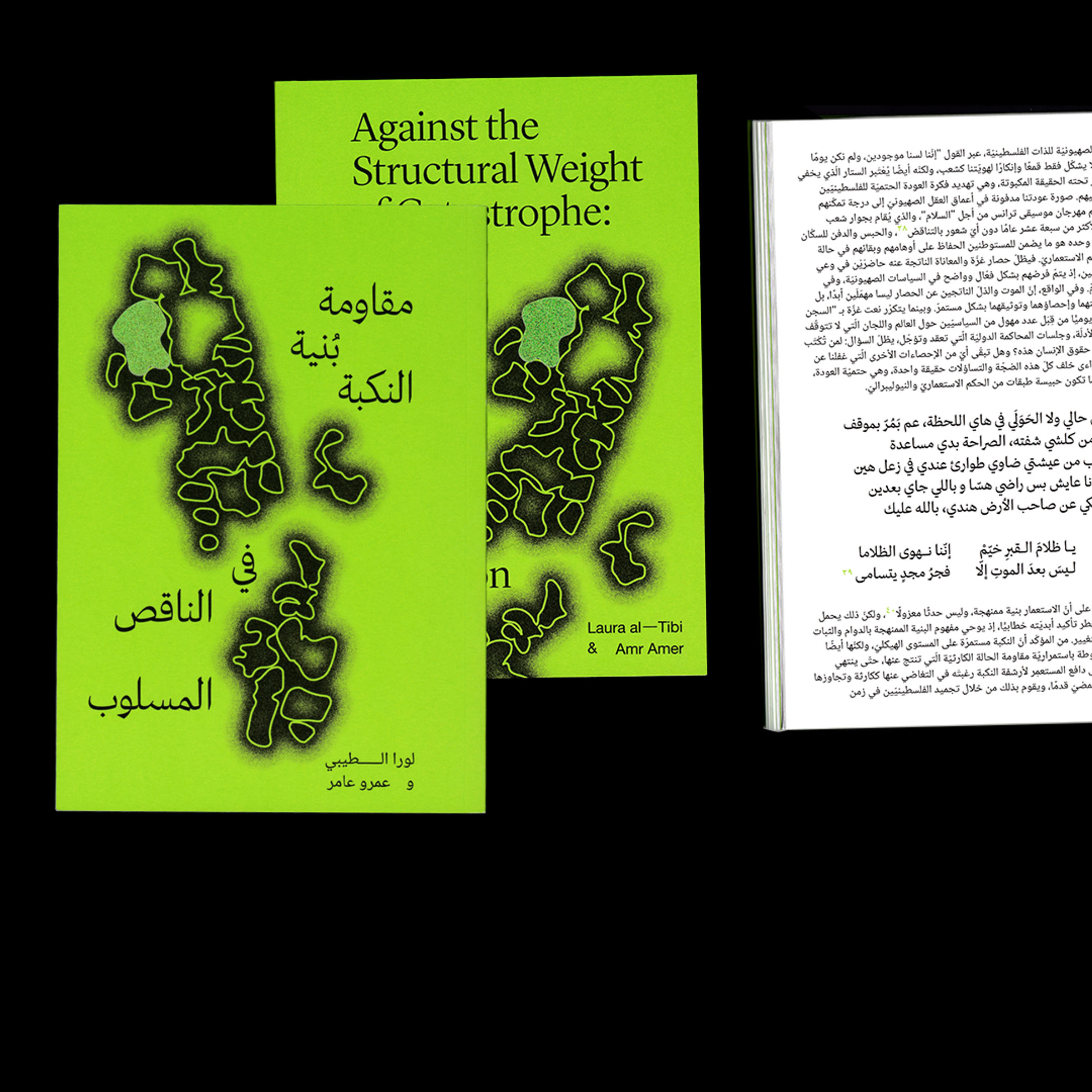
Against the Structural Weight of Catastrophe: A Poetics of Negation
What form does the enormity of the Palestinian Catastrophe take, and by which political grammars is its ongoing condition disrupted and contested? Combining materialist critique with poetic interjections, the authors propose reading the Nakba neither as an isolated event nor a reified structure, but as a series of violent negations running parallel to the catalytic force of resistance. In doing so, they redirect focus from overdetermined theorizations of colonial violence to generative practices of refusal, cautioning against the structural heft and imposed permanence of settler-colonialism. As Palestinians have repeatedly shown, the colonial limit is not impenetrable. The booklet also critically engages with iterations of Palestine’s vanishing map, commonly circulated as a convenient summary of dispossession. These cartographic representations are reinterpreted as a negative image that comes into focus with each act of resistance, gradually processing as land and self are restored.
Laura al-Tibi
Laura al-Tibi is a Palestinian writer and PhD student at Columbia University, specializing in the visual and literary histories of Palestine. Her research delves into the social and political dynamics of Palestinian photography before 1948, along with its aftermath of material devastation and historical erasure.
Amr Amer
Amr Amer is a Palestinian musician who has been releasing music under the alias "Haykal" since 2012. His writing navigates between political and cultural themes, intertwined with personal reflections. At times, he strips away lyrics entirely, letting the rhythm and beats take center stage. He has collaborated with various artists across Palestine and the Arab world, including Makimakkuk, Muqata’a, Julmud, and El Rass. To date, he has released four EPs and is currently working on his first full-length album.
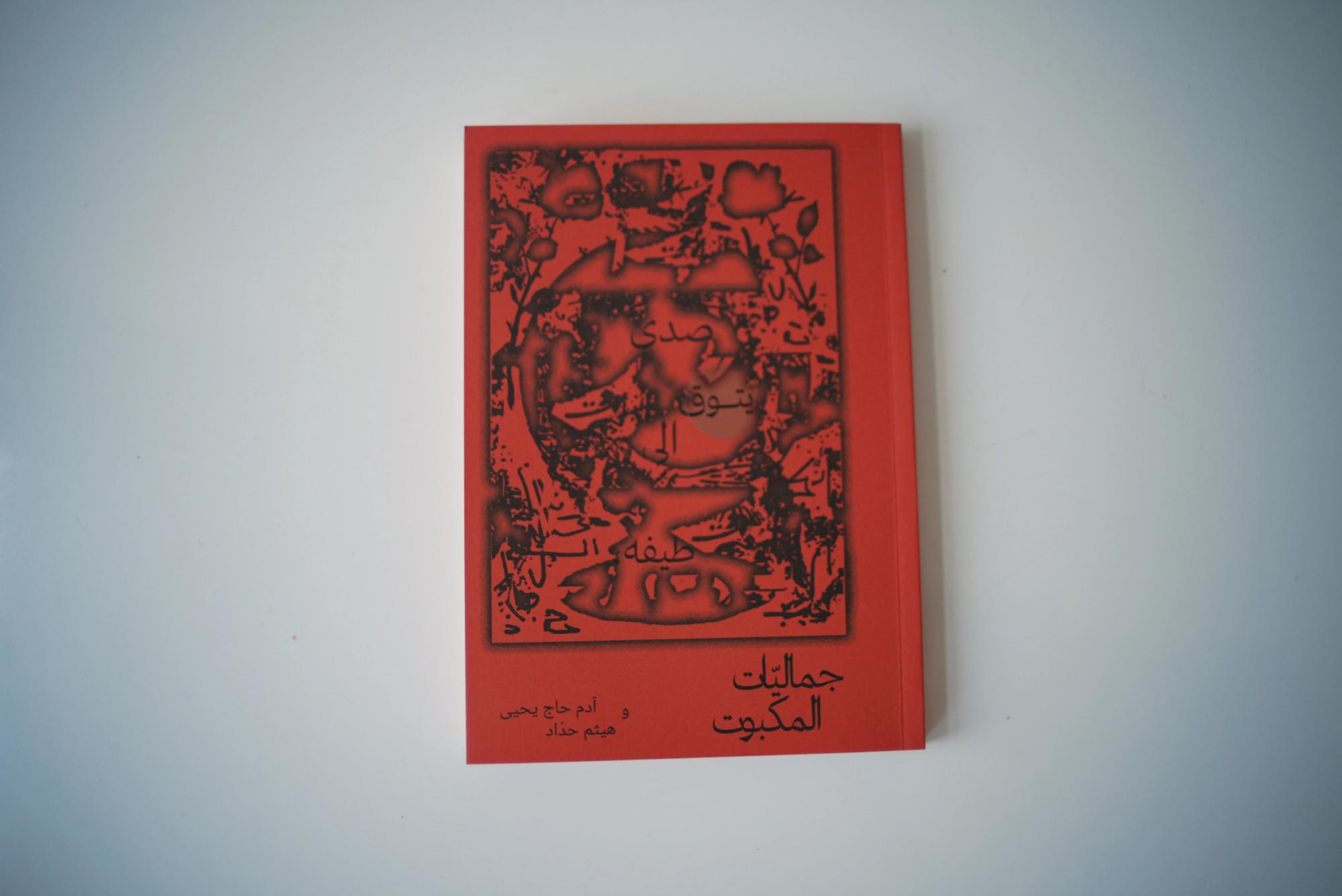
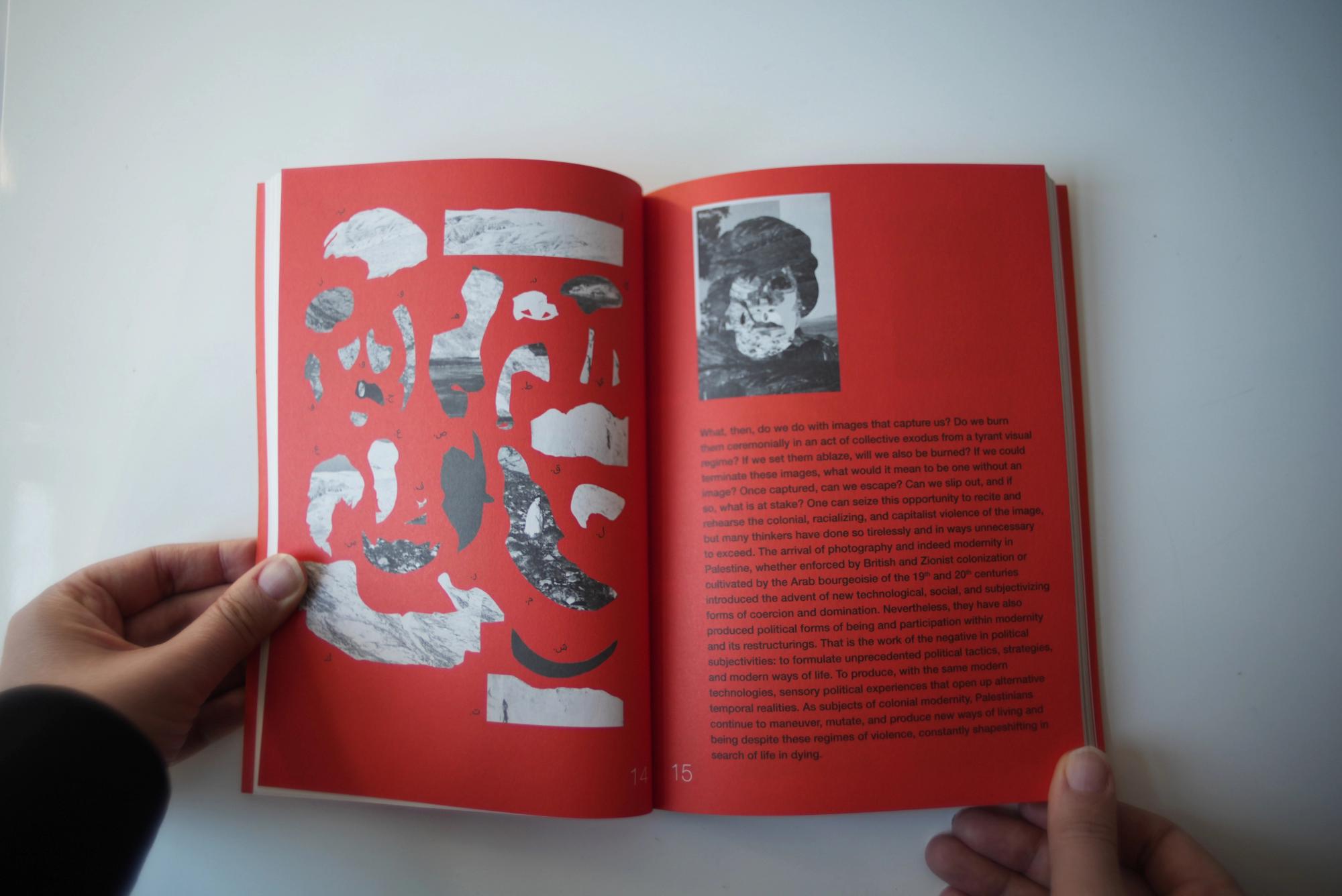
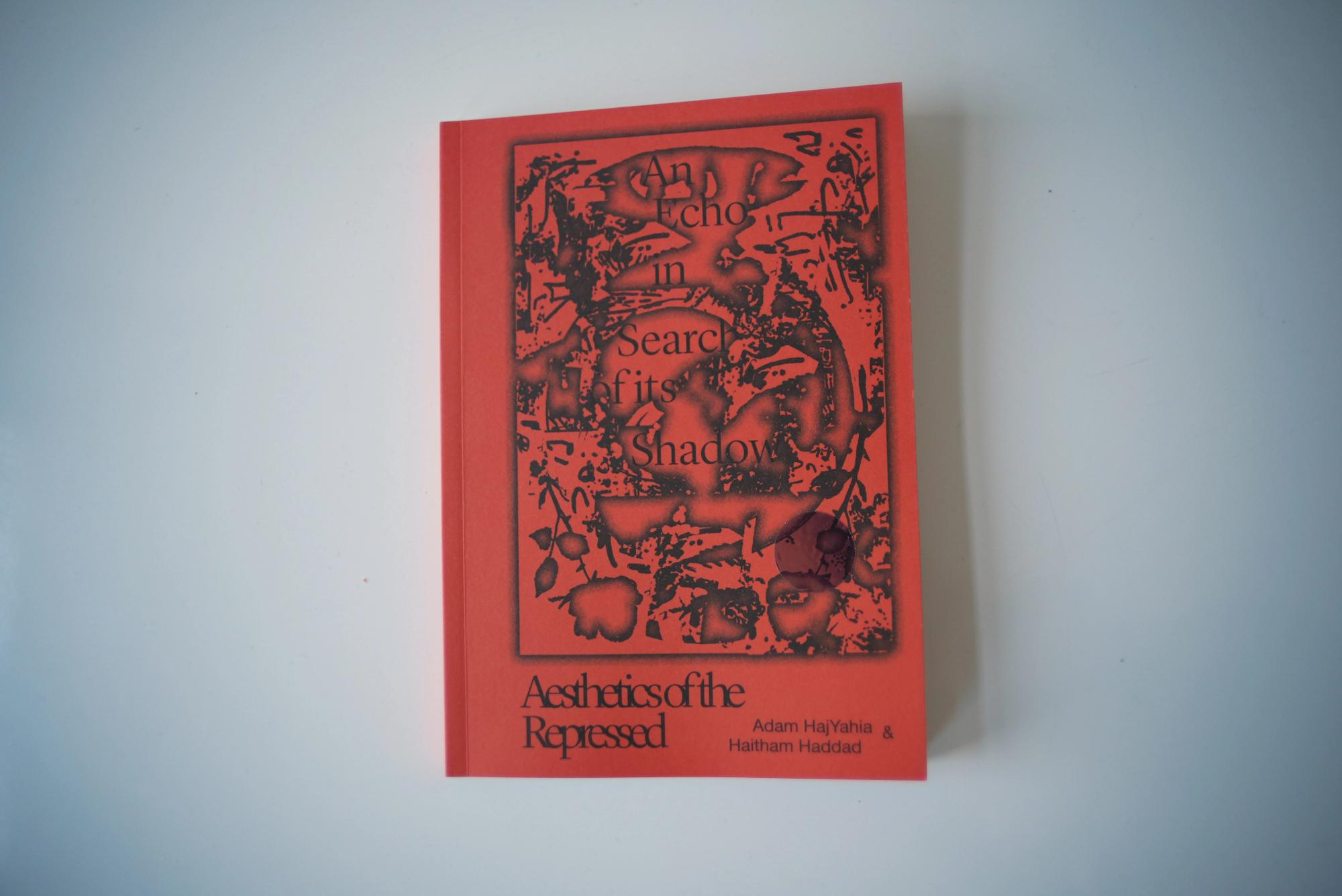
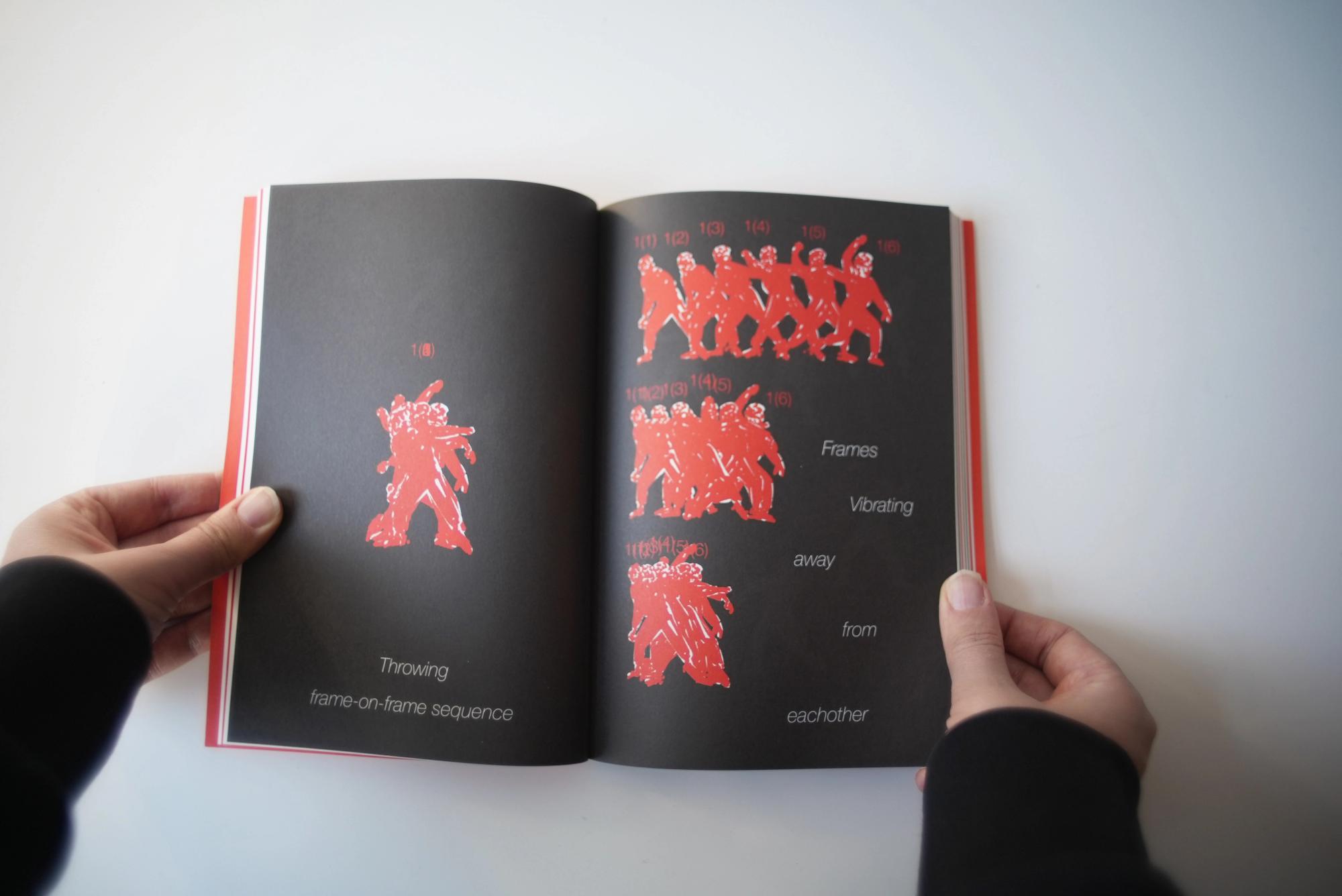
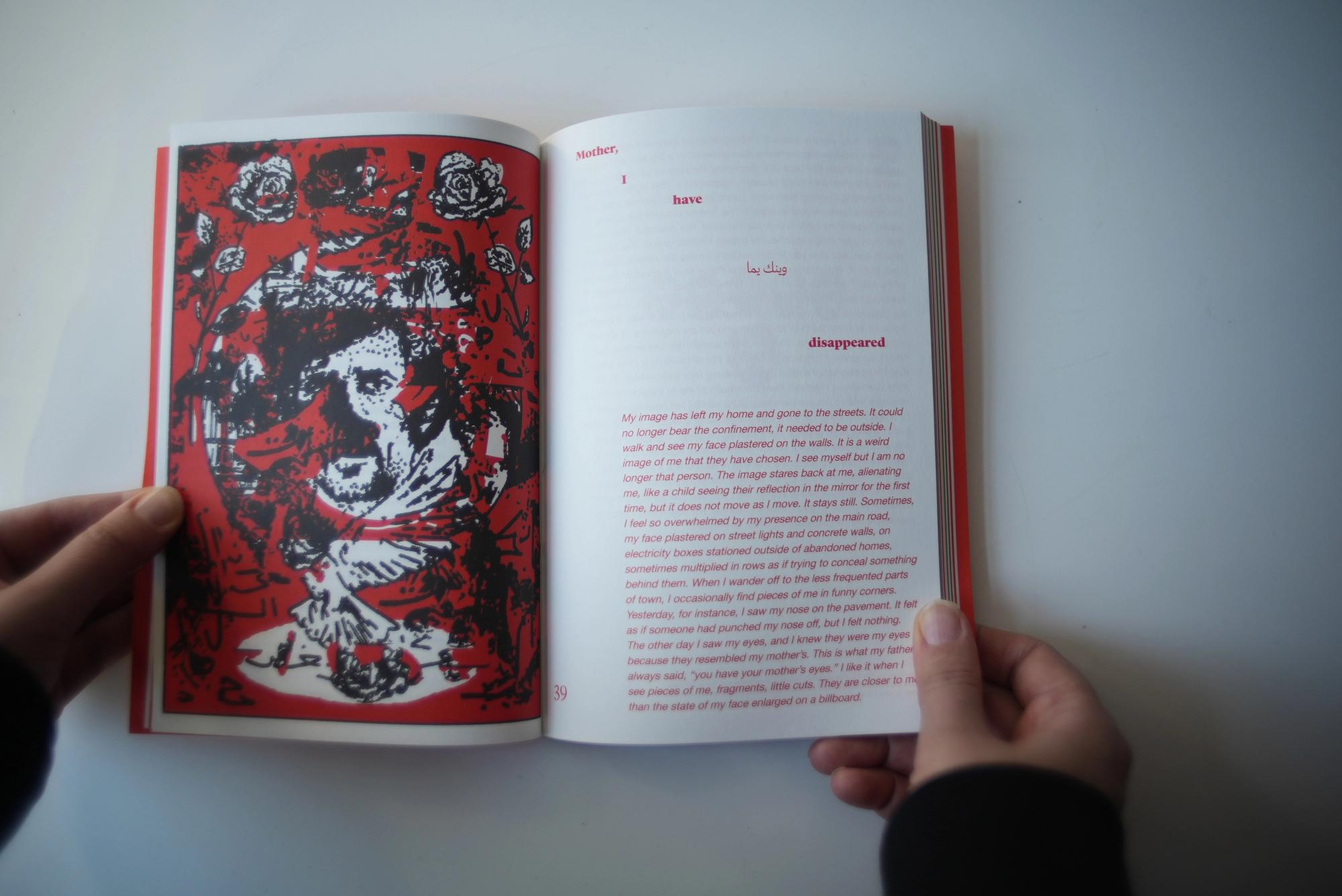
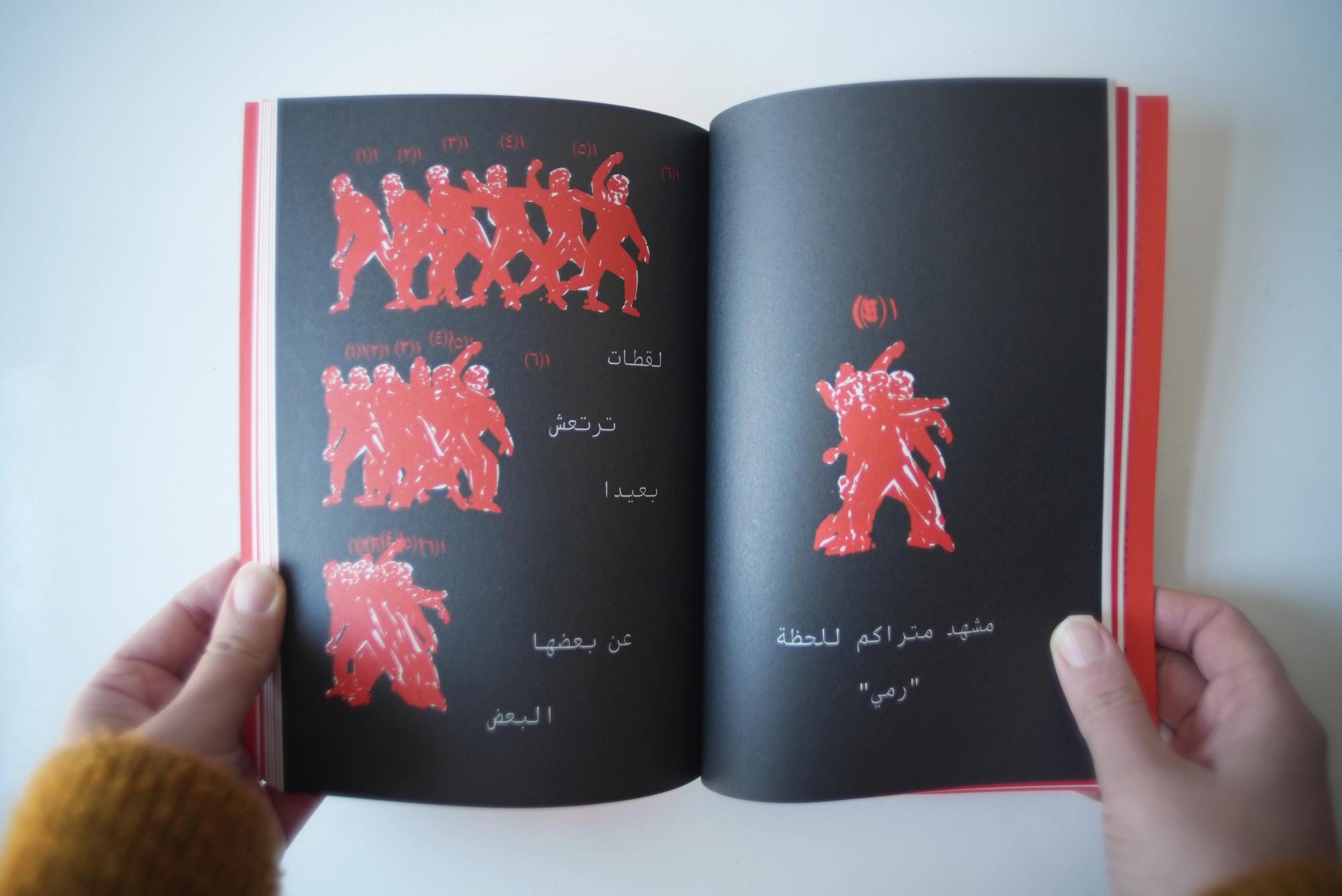
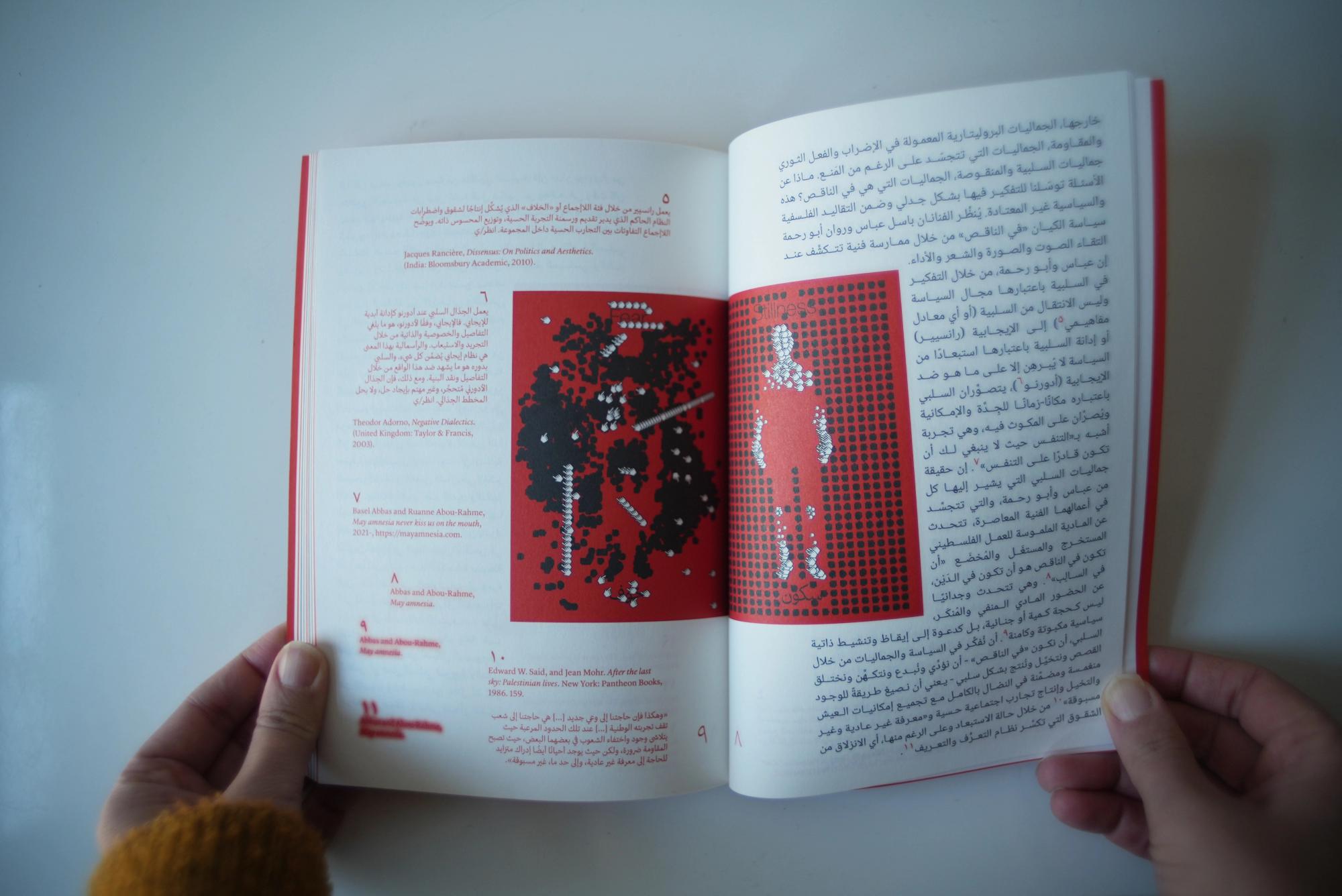
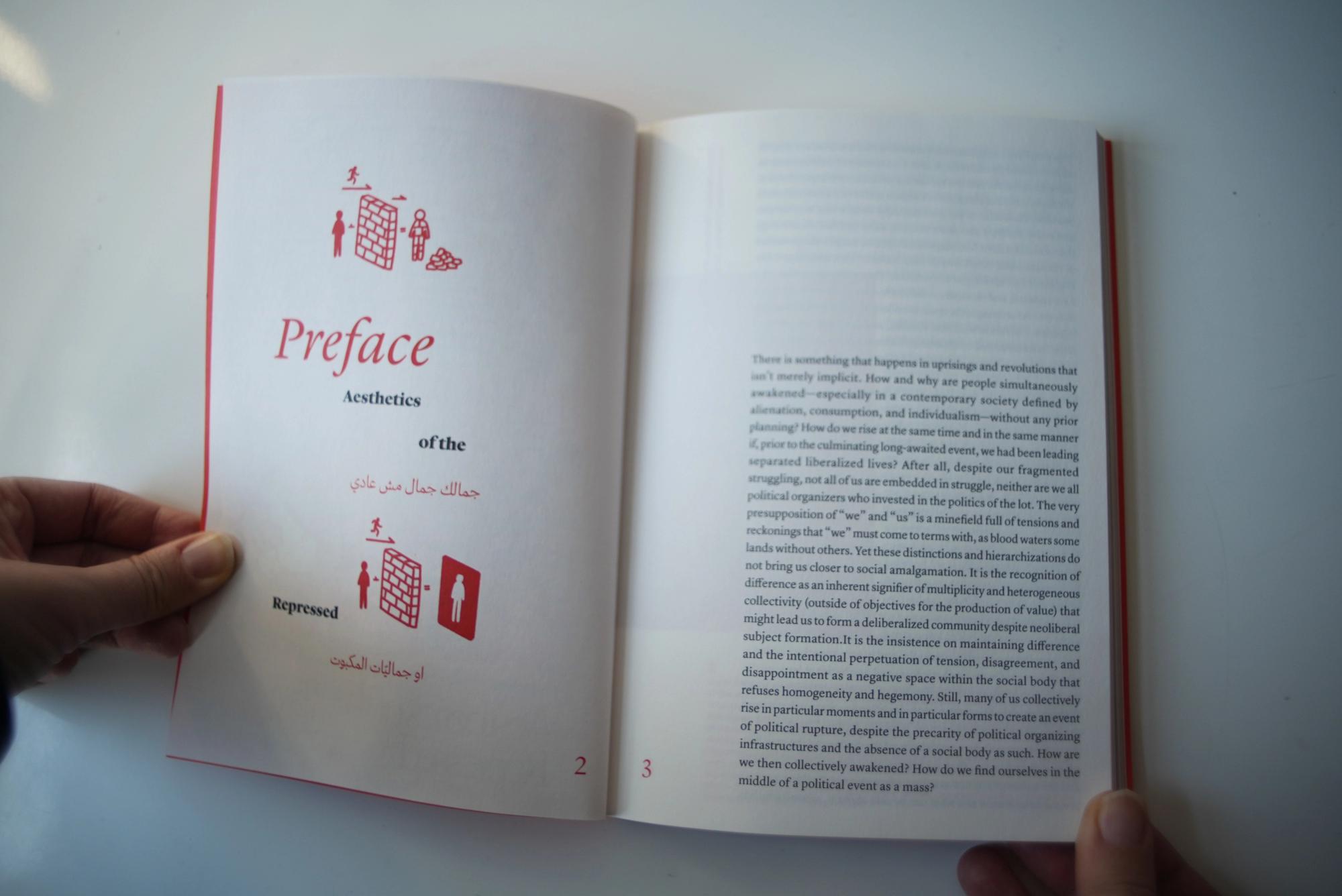
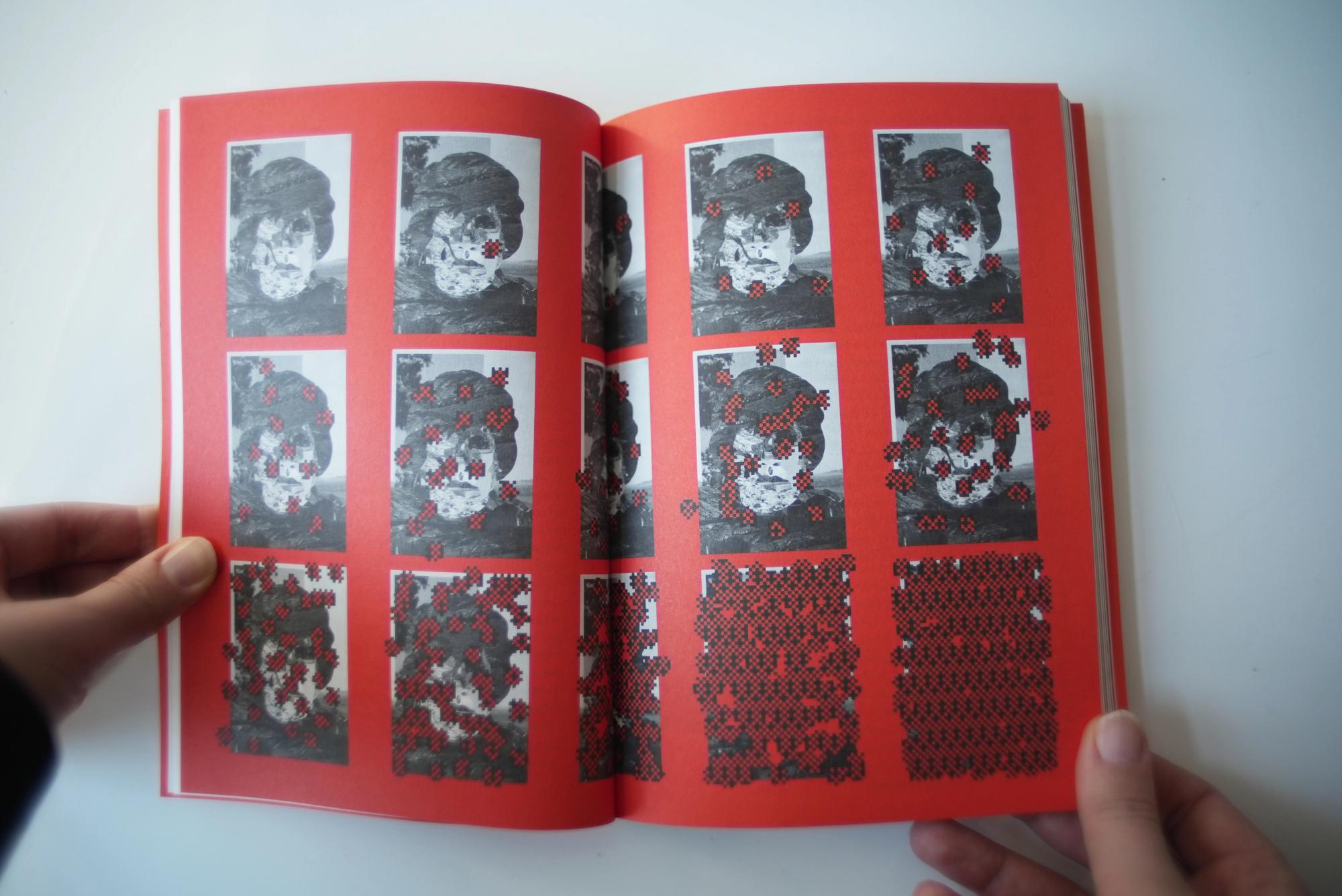
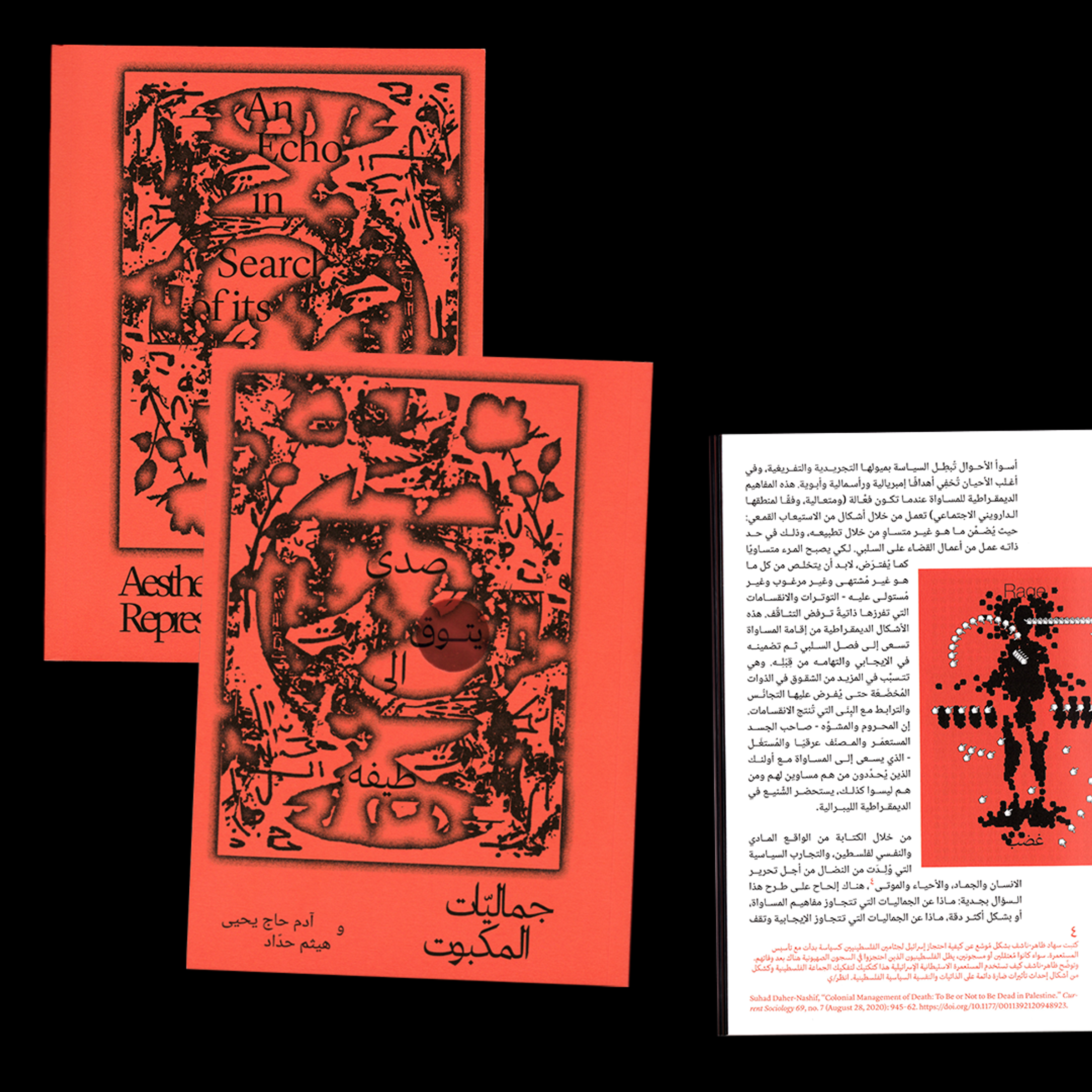
An Echo in Search of its Shadow, Aesthetics of the Repressed
What aesthetic practices have Palestinians been employing throughout their revolutionary anti-colonial tradition, both historically and in contemporary times? How can we read the performative gestures, image-making techniques, and singing replete in Palestine’s streets as ones embedded within a collective psychosocial and material experience and not as arbitrary isolated events? In An Echo in Search of its Shadow, Aesthetics of the Repressed Adam HajYahia and Haitham Haddad formulate an aesthetic theory of revolt by examining anti-colonial praxis. Unfolding through analysis, image-making, and poetics, HajYahia and Haddad assemble a new framework from which to understand dialectics between the visual and the audial, body and soul, form and content. Instead of the usual approach to aesthetics and politics where aesthetics are practiced and politics are thought, An Echo in Search of Its Shadow urges us to practice politics and think aesthetics.
Haitham Haddad
Haitham Haddad is a visual artist and graphic designer whose work centers on historical and contemporary manifestations of myth and folklore, as well as political tensions between the individual and the collective. He works at the intersection of printmaking, illustration, video, and tattooing, with an ongoing investment to revisit past histories and test how they can reshape the present.
Adam HajYahia
Adam HajYahia is invested in the relationships between aesthetics and politics; capitalism and desire; negative speculation and contemporary art. Through his work as a writer and curator, he examines how practices of image-making, performance, poetry, and sound reflect on and affect revolutions to erupt, be suspended, and/or terminate. He is interested in how psychic desire is at once captured and unbound by capital and the aesthetic practices that tirelessly attempt to forge a way out.
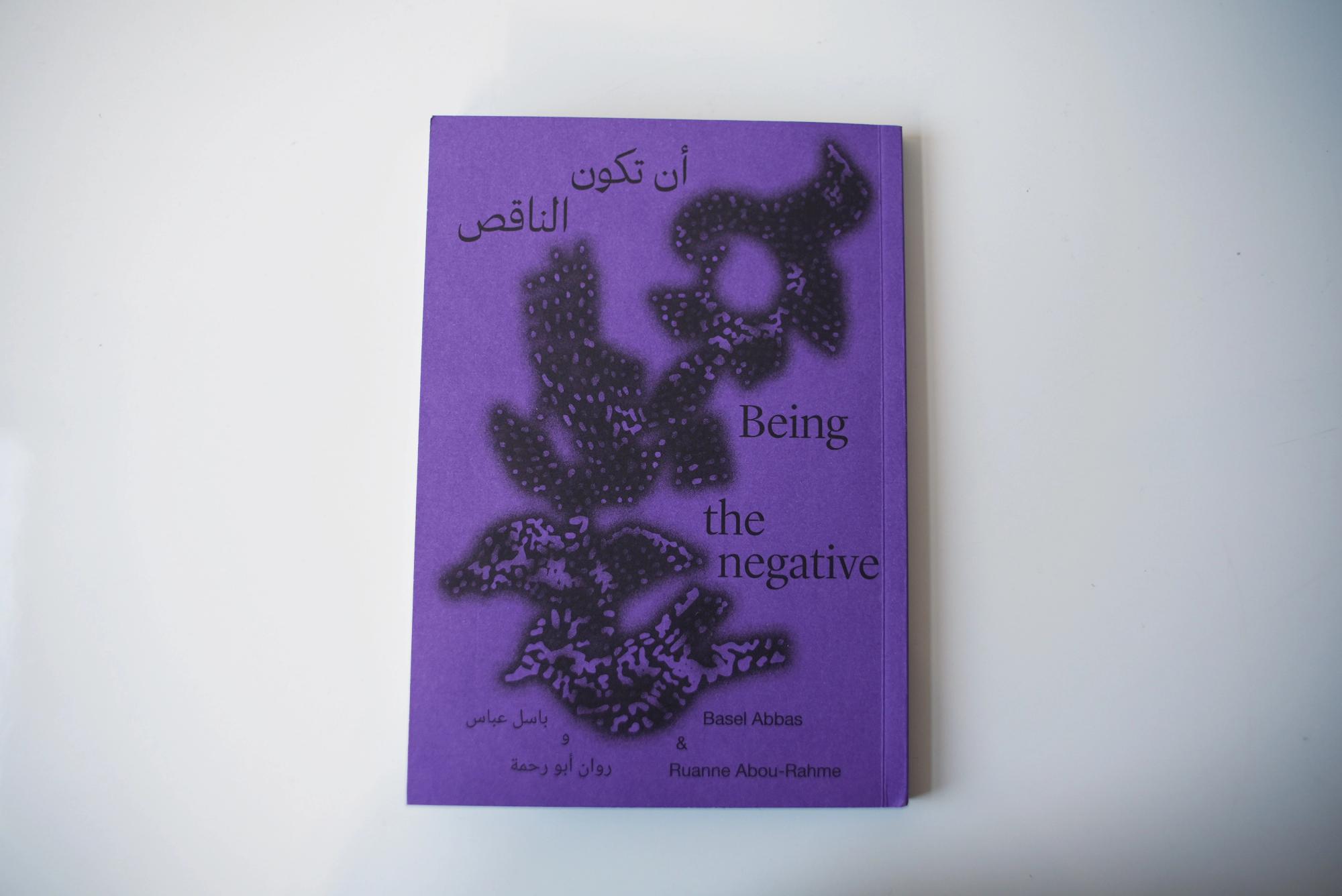
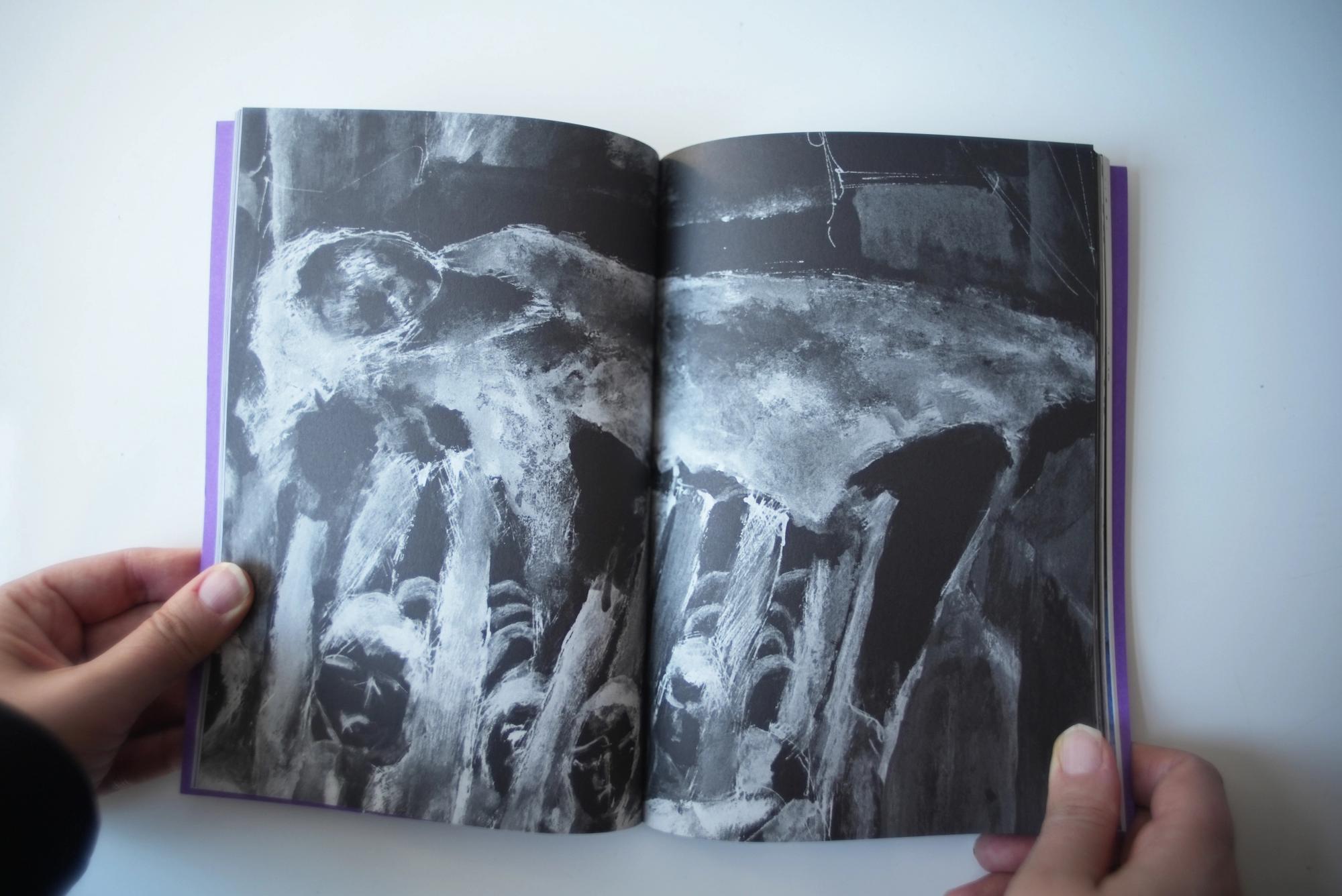
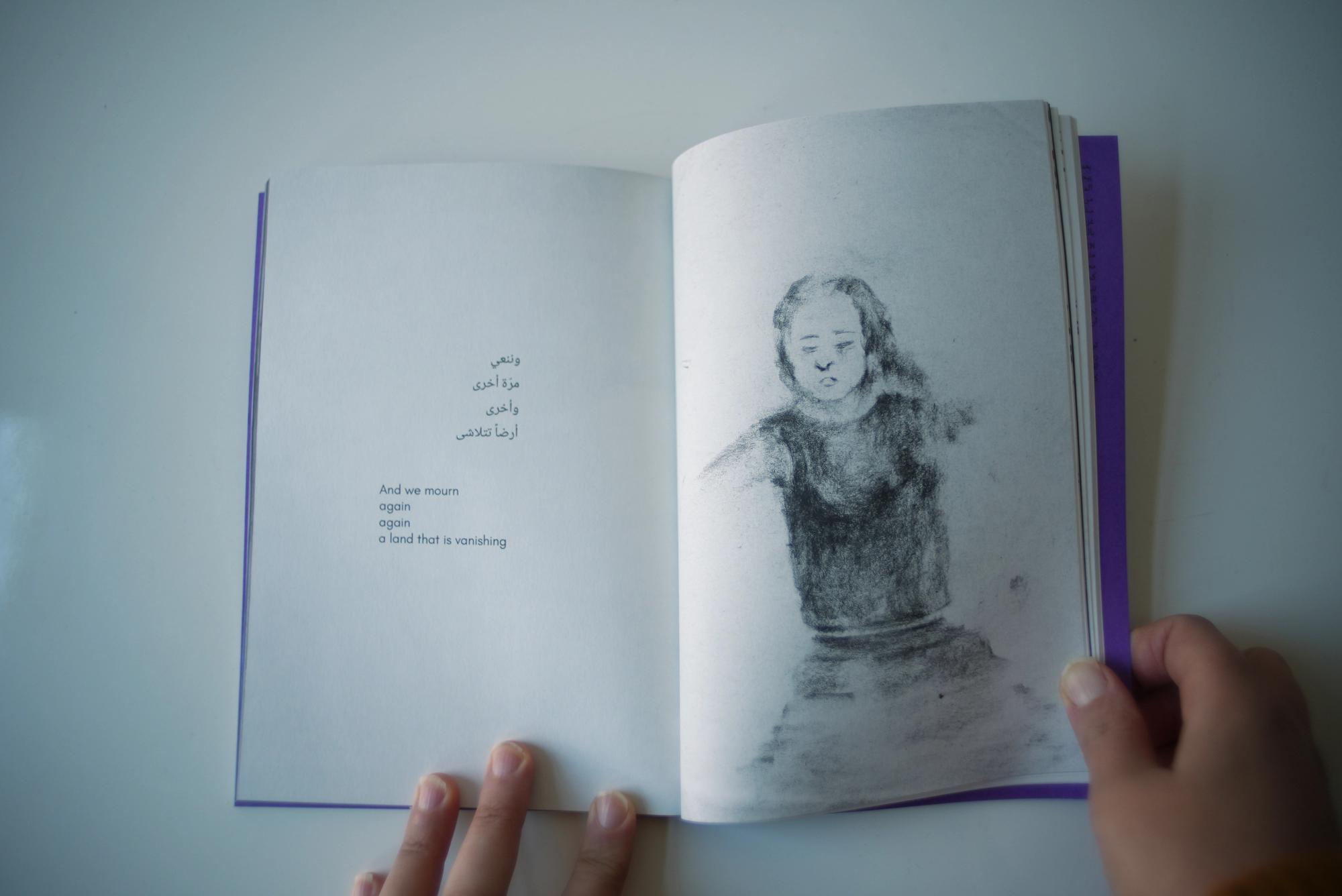
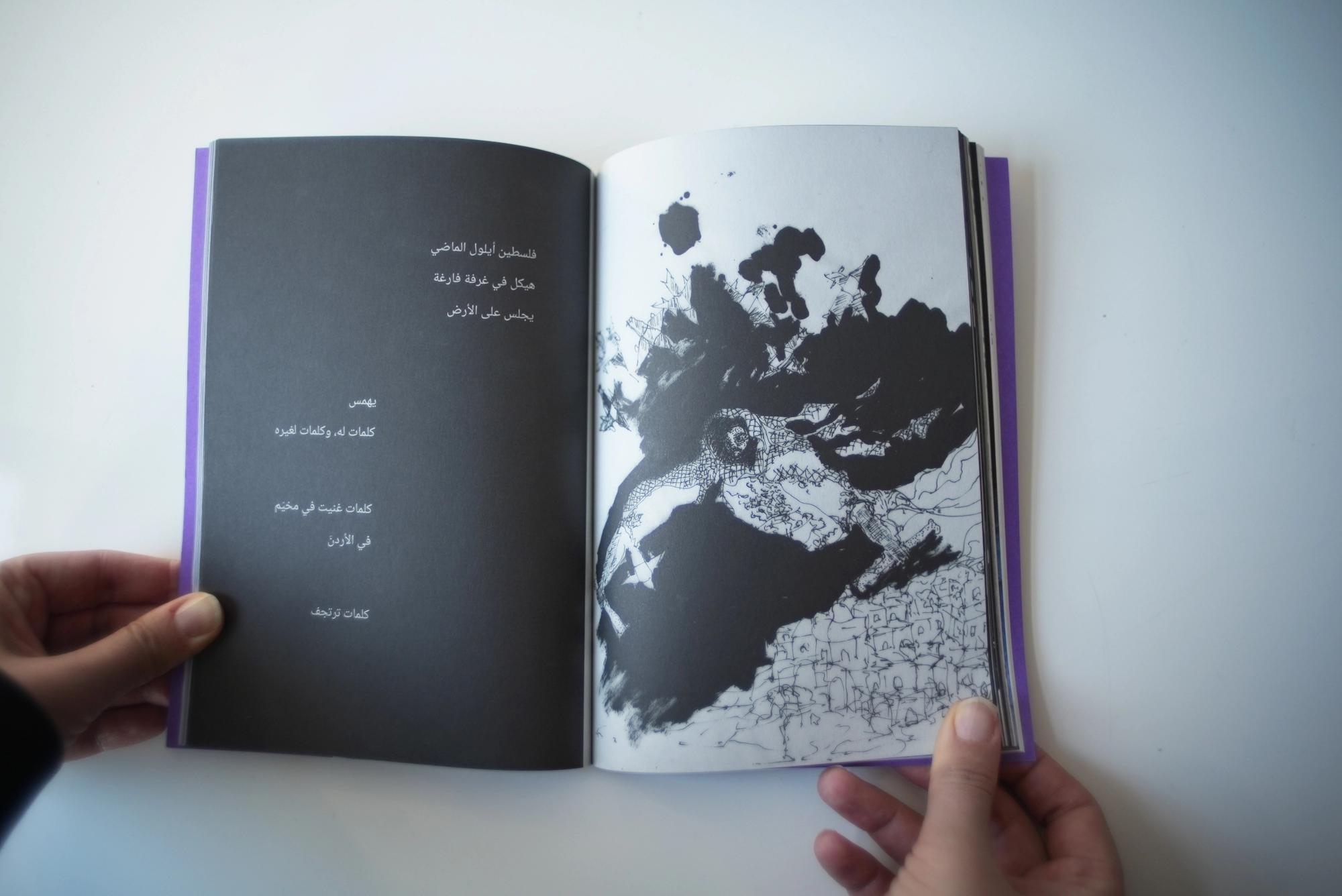
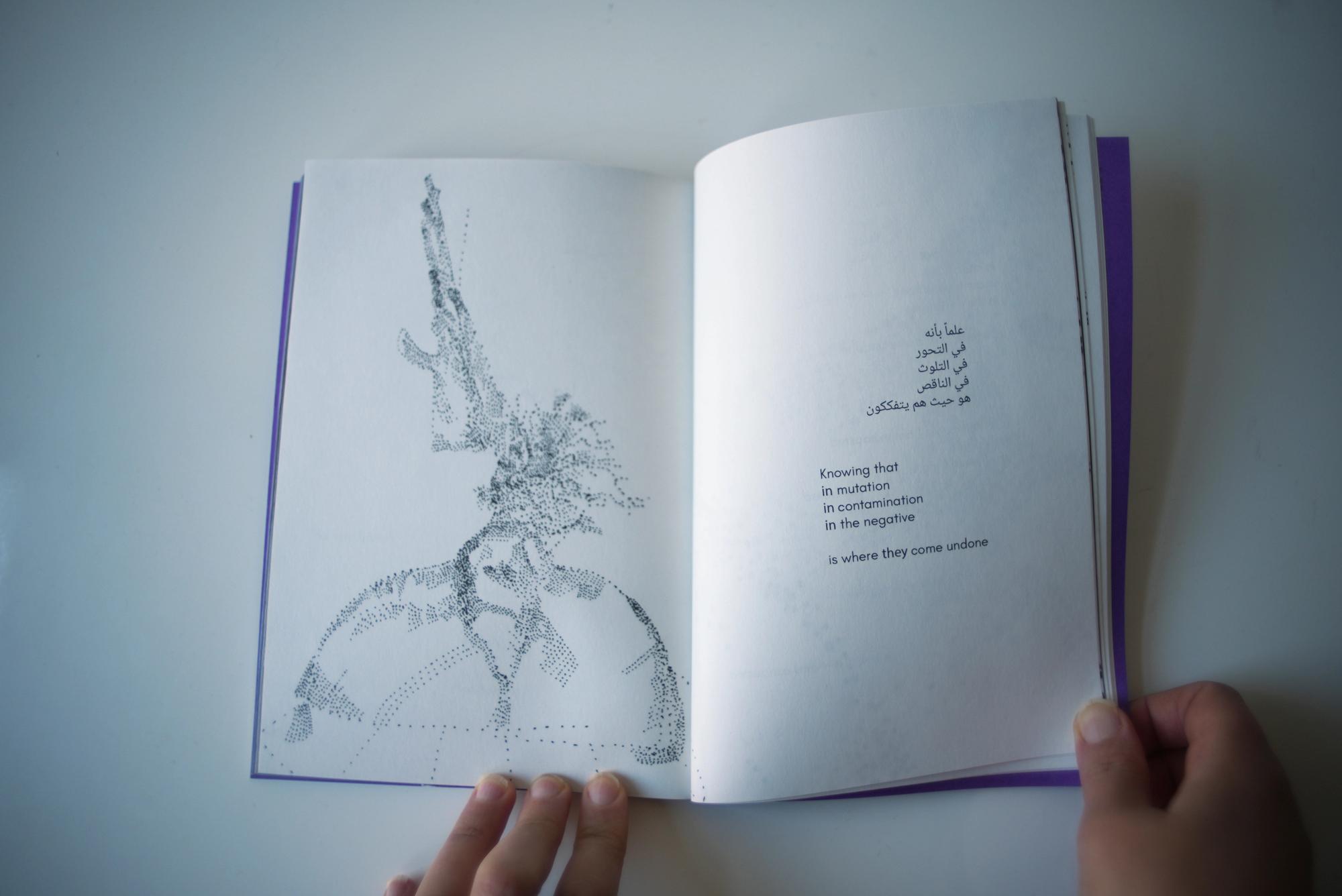
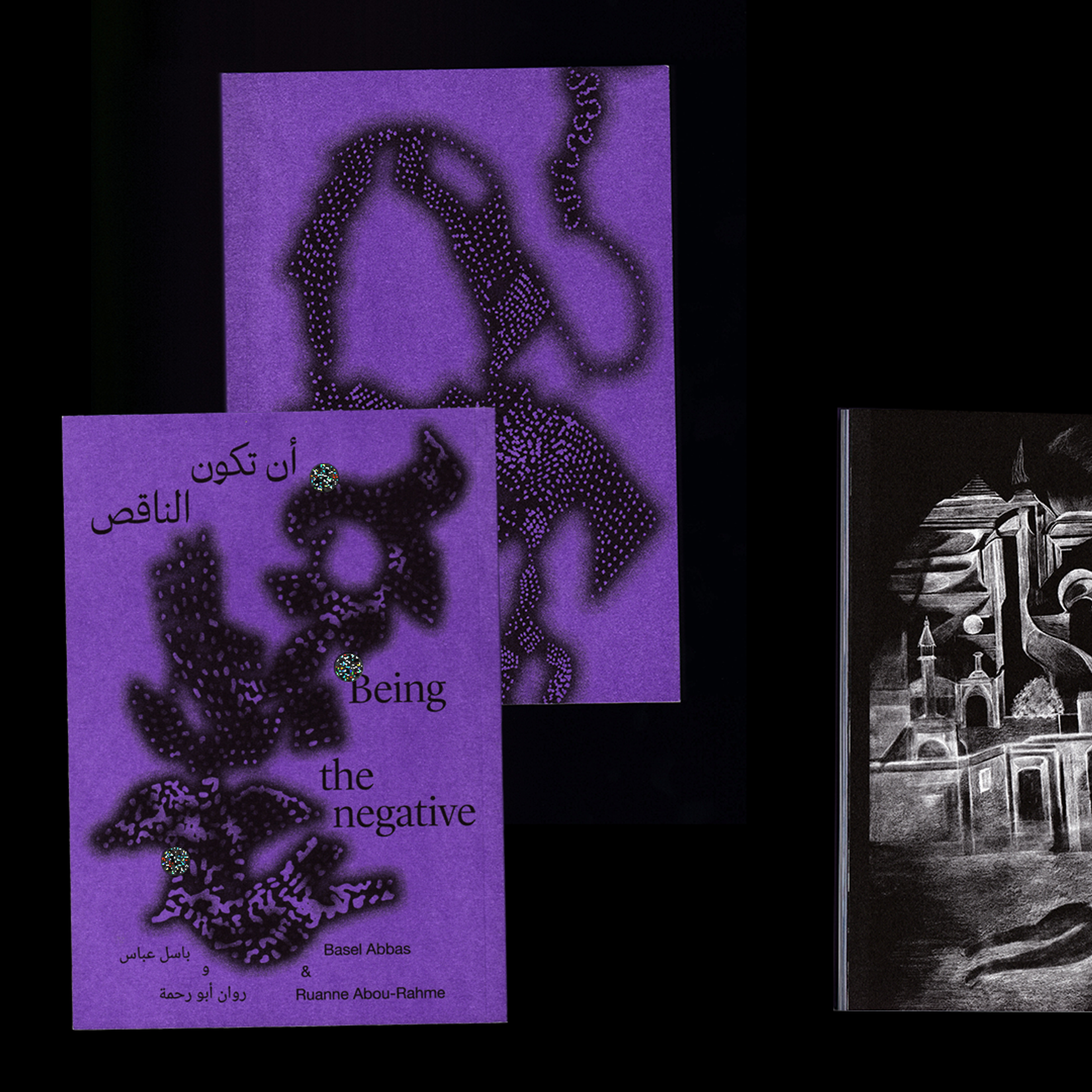
Being the negative
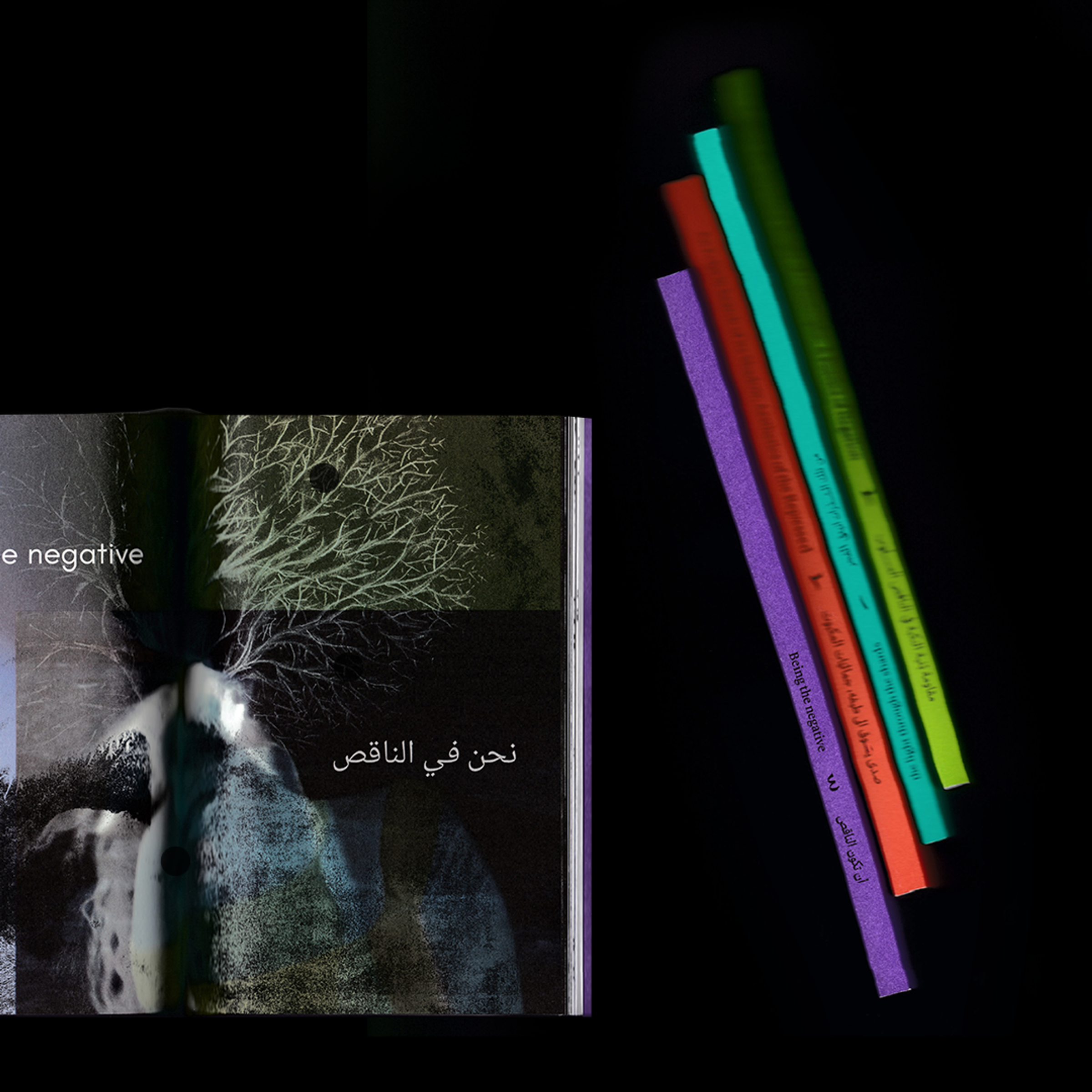
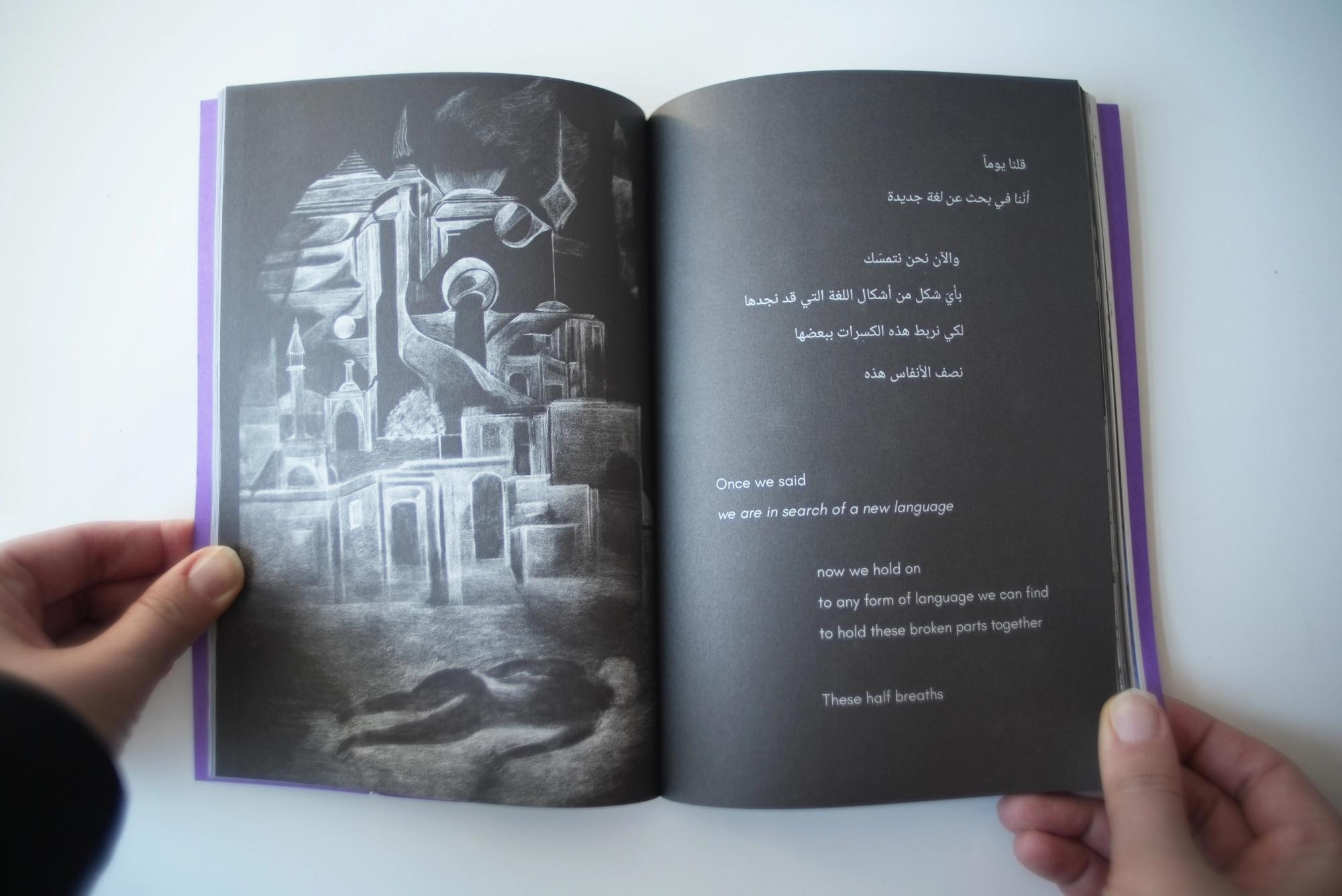
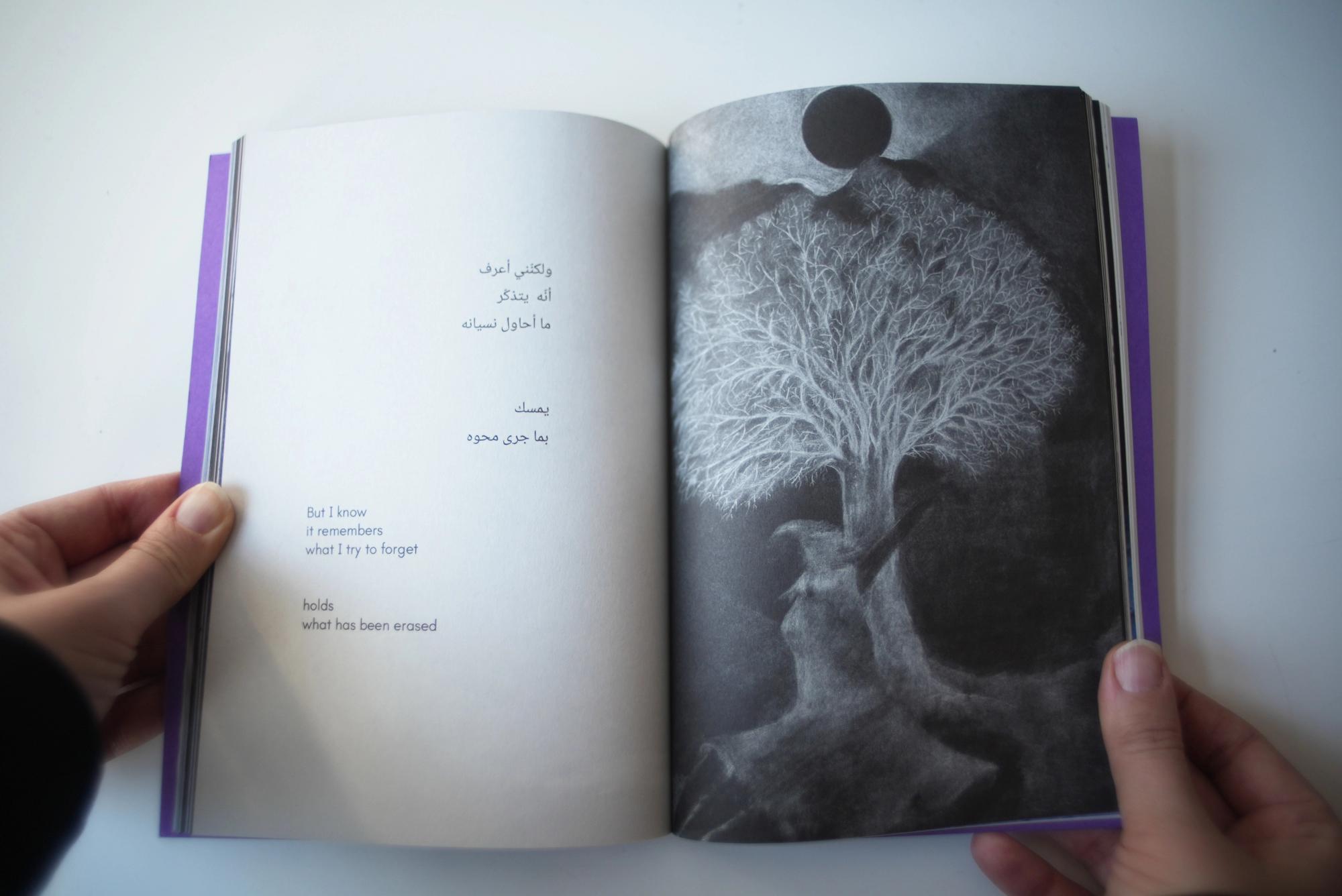
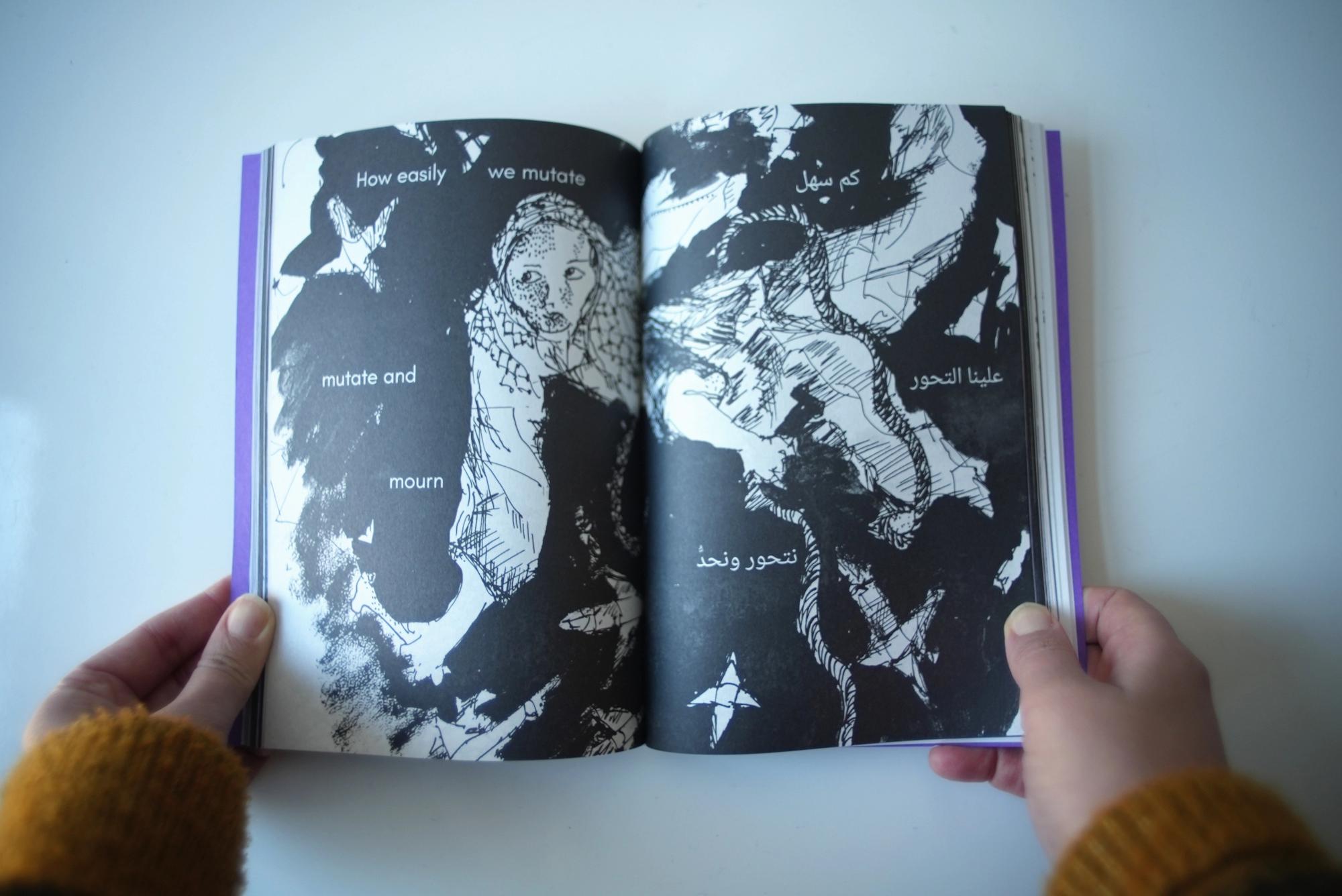
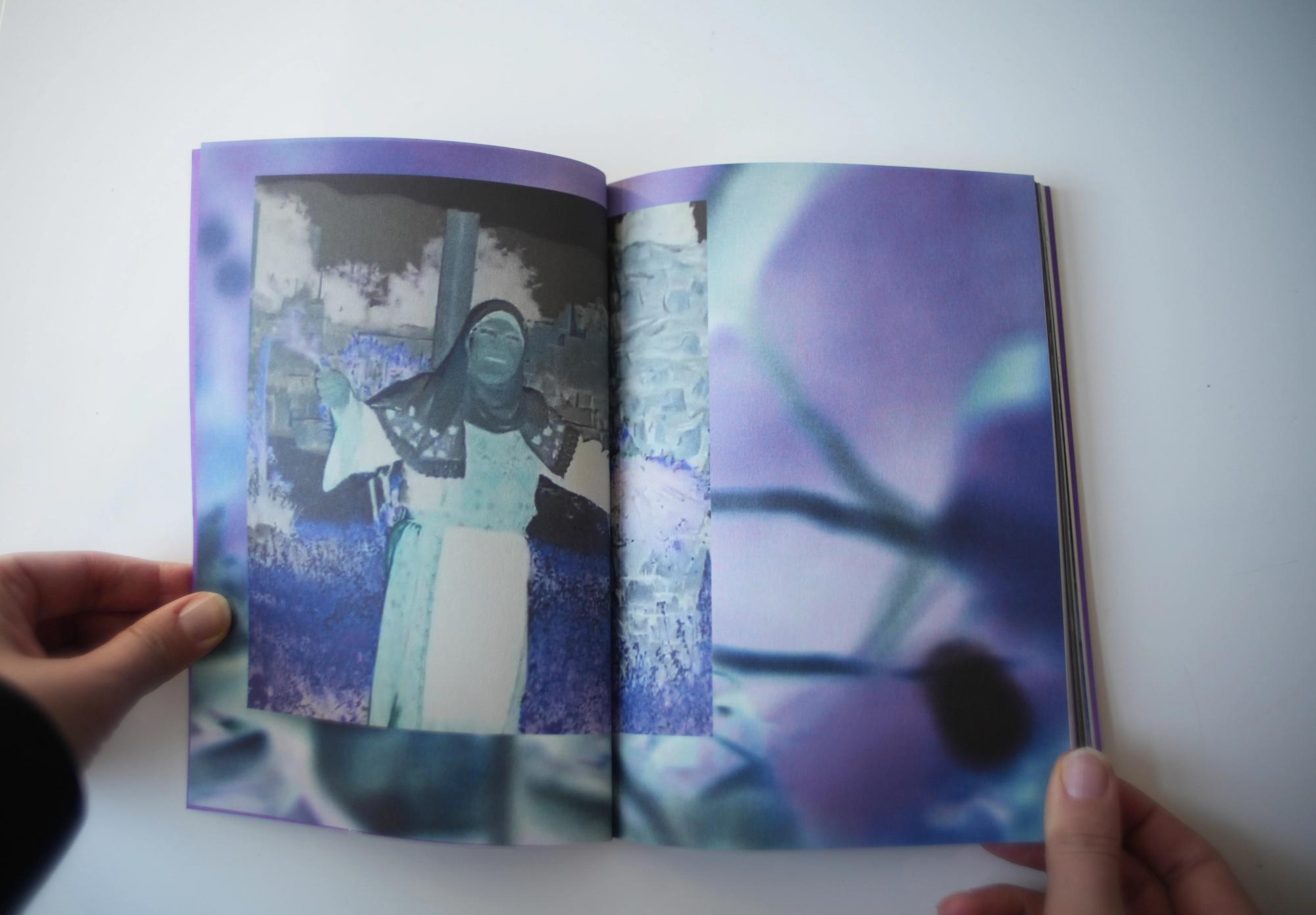
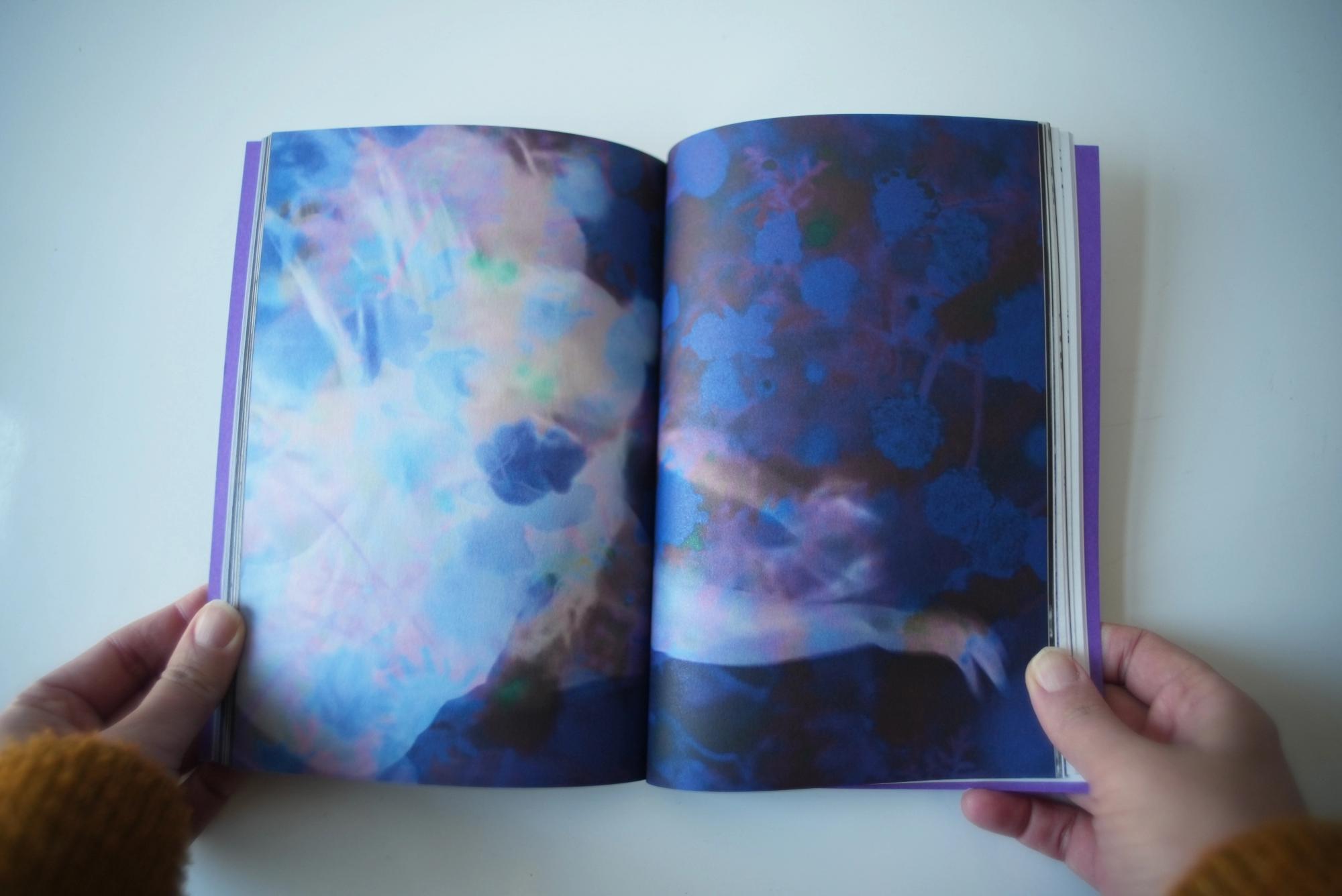
Basel Abbas and Ruanne Abou-Rahme have been developing a practice that examines the idea of ‘being in the negative’ as a principle form of ongoing dispossession, and the call to ‘becoming the negative’ as a movement towards becoming unbound from colonial capture. First appearing in their work in 2019 and emerging from witnessing the Great March of Return in Gaza and its aftereffects in the Palestinian imaginary, the work is indebted to the multiple forms of resistance and refusal practiced in Palestine every day. In their multidisciplinary practice the space of the negative continues to occupy a principal dimension, asking what it means to resist in impossible conditions, to refuse the terrain as given: What does it mean to breathe where one should not breathe? To emerge from the site of exclusion and extraction unbound? Unfolding through poetics of abstraction and repetition, Being the negative offers Abbas and Abou-Rahme’s first theoretical and discursive consolidation of being in, becoming, and embracing the negative.
Accompanying their text are images from their works, and drawings by the late Tawfik Abou-Rahme, Ruanne Abou-Rahme’s father. These materialize an intergenerational conversation of perseverance and resistance, as with each piece of paper an aesthetic of indebtedness and inheritance is written and rewritten.
Basel Abbas and Ruanne Abou-Rahme
Basel Abbas and Ruanne Abou-Rahme have been developing a body of work that questions the suspension of the present and searches for ways in which an altogether different imaginary and language can emerge that is not bound within colonial/capitalist narrative and discourse. In their projects, they find themselves excavating, activating, and inventing incidental narratives, figures, gestures, and sites as material for re-imagining the possibilities of the present. Often reflecting on ideas of non-linearity in the form of returns, amnesia, and deja vu,
and unfolding the slippages between actuality and projection (fiction, myth, wish), what is and what could be.
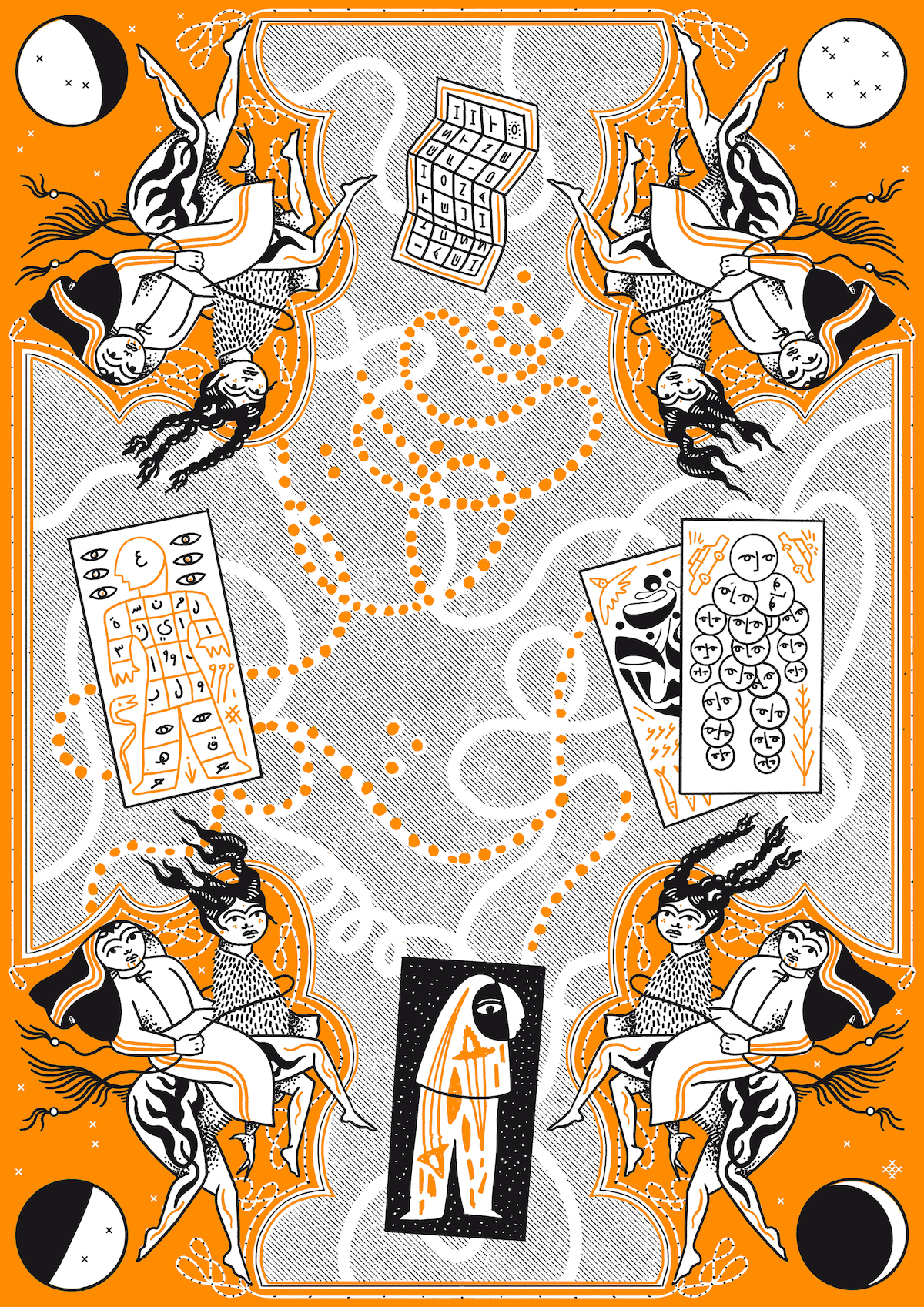
Under the glare of the moonتحت وهج القمر
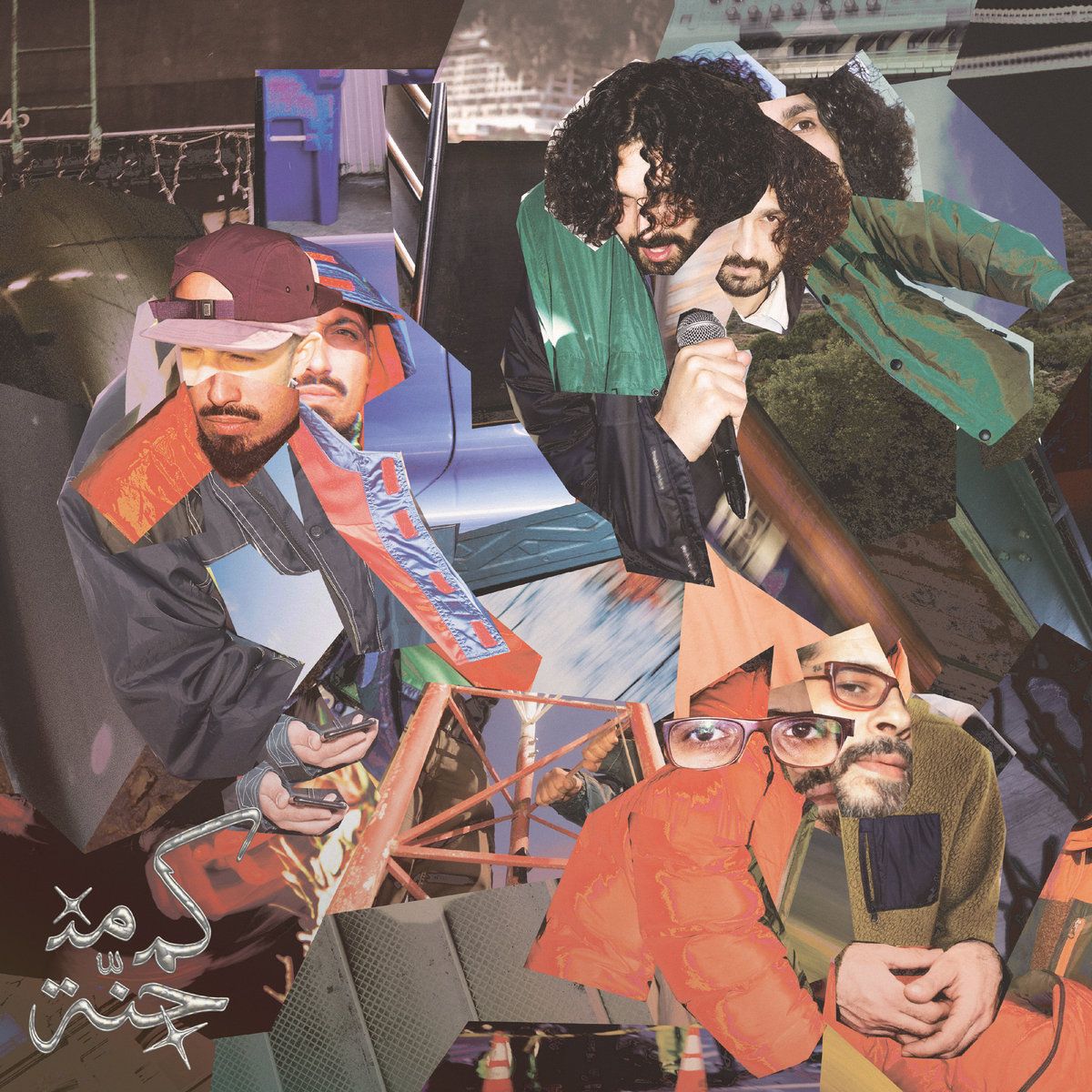
Haykal, Julmud, Acamol - Kam Min Jannehهيكل، جلمود، أكامول - كم من جنّة
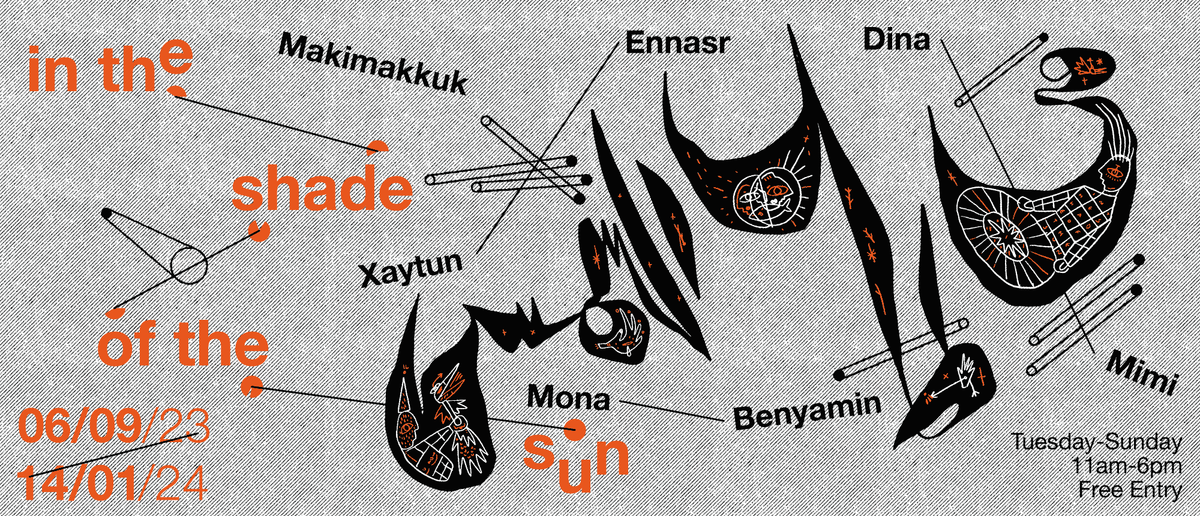
In the shade of the sunفي ظل الشمس